
HSK 4 Official Exam 14 (H41221) Complete Mock
Write your own answers and get listening and reading feedback interactively, or scroll down to review all 100 questions.
Listening · 听力判断
Show transcript / 听力原文
Show answer & explanation / 查看答案与解析
Mandarin Zone study notes · 本站学习解析
Evidence from the transcript / 听力原文依据
但不应该成为我们生命的全部Why this answer fits / 为什么选这个答案
The clause after 但 says love should not be the whole of life, matching the statement.
“但”后面明确说爱情不应成为生命的全部,与判断句意思一致。
Avoid this mistake / 容易误选在哪里
Calling love the sunshine of life values it; it does not make love everything.
“照亮生活的阳光”肯定爱情的价值,不等于说生命中只有爱情。
Try this next time / 下次怎么判断
Check the limitation after 但: being important is different from being everything.
先圈出“但”后的限制,再判断题目是否把重要性说成了全部。
Show transcript / 听力原文
Show answer & explanation / 查看答案与解析
Mandarin Zone study notes · 本站学习解析
Evidence from the transcript / 听力原文依据
没有两个性格完全相同的人Why this answer fits / 为什么选这个答案
No two people have exactly the same personality, so the statement about differences is true.
“没有两个……完全相同”说明人与人的性格总有差别,所以选“对”。
Avoid this mistake / 容易误选在哪里
Leaves illustrate the comparison; the question is about people's personalities.
叶子只是用来作比较,题目真正问的是人的性格。
Try this next time / 下次怎么判断
Paraphrase “not exactly alike” as “different in some way” before comparing.
把“没有完全相同”改写成“各有不同”,再与判断句对应。
Show transcript / 听力原文
Show answer & explanation / 查看答案与解析
Mandarin Zone study notes · 本站学习解析
Evidence from the transcript / 听力原文依据
不用安排得特别详细Why this answer fits / 为什么选这个答案
Planning ahead is recommended, but extreme detail is unnecessary. The statement makes detail a requirement.
原文认可提前计划,但明确说不必特别详细;题目把要求加强成“当然要很详细”。
Avoid this mistake / 容易误选在哪里
Agreeing that planning is good misses the later limit on how detailed it needs to be.
听到“做计划总是好的”就选对,会漏掉后面对详细程度的限制。
Try this next time / 下次怎么判断
Separate whether to plan from how detailed the plan must be.
分别核对“要不要计划”和“计划要多详细”,不要合并成一个判断。
Show transcript / 听力原文
Show answer & explanation / 查看答案与解析
Mandarin Zone study notes · 本站学习解析
Evidence from the transcript / 听力原文依据
我有事情要找她Why this answer fits / 为什么选这个答案
The speaker asks for Dr Huang's number because he needs to contact her.
请人查黄大夫的号码,是为了找她、与她联系,与题目一致。
Avoid this mistake / 容易误选在哪里
Not having her number is an obstacle to contact, not a lack of intention.
“现在没有她的电话号码”表示缺少联系方式,不表示不想联系。
Try this next time / 下次怎么判断
Identify the purpose, 要找她, then connect looking up the number to it.
先找目的“要找她”,再把查号码理解为实现目的的步骤。
Show transcript / 听力原文
Show answer & explanation / 查看答案与解析
Mandarin Zone study notes · 本站学习解析
Evidence from the transcript / 听力原文依据
在沙发上就睡着了Why this answer fits / 为什么选这个答案
The son waited for his father and eventually fell asleep on the sofa; he is not described doing homework.
儿子一直等爸爸,最后因太困而睡着;原文没有说他在写作业。
Avoid this mistake / 容易误选在哪里
His earlier refusal to sleep is superseded by the outcome introduced by 结果.
“不愿意去睡觉”是之前的态度,“结果……睡着了”才是后来发生的事。
Try this next time / 下次怎么判断
For a current-action question, follow the story through to its final state.
判断“正在做什么”时,优先看故事最后的状态变化。
Show transcript / 听力原文
Show answer & explanation / 查看答案与解析
Mandarin Zone study notes · 本站学习解析
Evidence from the transcript / 听力原文依据
座位不够,恐怕得换个大一点儿的Why this answer fits / 为什么选这个答案
The current room lacks seats, so the speaker wants a larger room and checks its Saturday availability.
现有会议室座位不够,所以想换较大的,并确认星期六是否空着。
Avoid this mistake / 容易误选在哪里
Checking whether the next room is occupied does not mean it has already been booked.
问旁边会议室有没有人用,是在找合适房间,不代表已经订好了。
Try this next time / 下次怎么判断
Link problem, need and action: too few seats, a larger room, then an availability check.
用“问题—需求—行动”串起来:座位不够,因此换房并查空闲时间。
Show transcript / 听力原文
Show answer & explanation / 查看答案与解析
Mandarin Zone study notes · 本站学习解析
Evidence from the transcript / 听力原文依据
我叔叔是律师Why this answer fits / 为什么选这个答案
The speaker explicitly calls his uncle a lawyer, contradicting the statement that he is a doctor.
原文直接说明叔叔是律师,题目说他是医生,与职业信息不符。
Avoid this mistake / 容易误选在哪里
Professional advice is not exclusive to doctors; it does not override the stated occupation.
“专业的意见”许多职业都能提供,不能只凭“专业”推断为医生。
Try this next time / 下次怎么判断
For occupations, locate the profession named after 是 rather than guessing from associated actions.
职业题先抓“是”后面的身份词:律师、医生、教师等。
Show transcript / 听力原文
Show answer & explanation / 查看答案与解析
Mandarin Zone study notes · 本站学习解析
Evidence from the transcript / 听力原文依据
还没来得及收拾,房间里挺乱的Why this answer fits / 为什么选这个答案
There has not yet been time to tidy up, and the room is messy, so it is not already clean.
“还没来得及”说明收拾尚未完成,“挺乱的”进一步否定“已经打扫干净”。
Avoid this mistake / 容易误选在哪里
The completion in 搬完家 applies to moving, not to cleaning the room.
“搬完家”的“完”只说明搬家结束,不能移到“收拾房间”这个动作上。
Try this next time / 下次怎么判断
Match each completion marker to its own action; distinguish 已经 from 还没.
给每个完成词找到它修饰的动作,尤其注意“已经”和“还没”的区别。
Show transcript / 听力原文
Show answer & explanation / 查看答案与解析
Mandarin Zone study notes · 本站学习解析
Evidence from the transcript / 听力原文依据
一家杂志社在招聘高级翻译Why this answer fits / 为什么选这个答案
Recruiting a senior translator means the magazine is hiring, so the statement is true.
“招聘高级翻译”就是为翻译岗位招人,判断句与原文一致。
Avoid this mistake / 容易误选在哪里
The newspaper carries the advertisement; the magazine is the employer.
报纸是看到招聘信息的地方;招聘单位是杂志社。
Try this next time / 下次怎么判断
Separate where the advertisement appears from which organization is hiring.
分清“在哪里看到信息”和“谁在招聘”,不要把媒介当成单位。
Show transcript / 听力原文
Show answer & explanation / 查看答案与解析
Mandarin Zone study notes · 本站学习解析
Evidence from the transcript / 听力原文依据
雨停了,太阳出来了Why this answer fits / 为什么选这个答案
The rain has stopped and the sun has come out, contradicting the description of a cloudy day.
原文说雨已停、太阳已出来,因此不支持“今天是阴天”。
Avoid this mistake / 容易误选在哪里
Wind alone does not mean overcast weather; the speaker explicitly describes a fine day.
“刮风”不等于“阴天”;原文还特别说天气好、并不冷。
Try this next time / 下次怎么判断
Track rain, sunshine, wind and temperature separately instead of treating them as interchangeable.
把雨、阳光、风和温度分开记录,避免由一个天气词推断全部。
Listening · 听力选择
Show transcript / 听力原文
Show answer & explanation / 查看答案与解析
Mandarin Zone study notes · 本站学习解析
Evidence from the transcript / 听力原文依据
你能不能先借我一点儿,我明天还你Why this answer fits / 为什么选这个答案
He lacks enough money, asks to borrow some and promises repayment tomorrow.
男的带的钱不够,向对方请求先借一点并承诺明天还,因此在借钱。
Avoid this mistake / 容易误选在哪里
还你 refers to future repayment; the action happening now is a request to borrow.
“还你”说的是以后归还;当前动作是提出借钱请求。
Try this next time / 下次怎么判断
Use 借我 and 还你 to identify borrower, lender and timing.
听到“借我……还你……”时,辨认谁借入、谁借出及时间。
Show transcript / 听力原文
Show answer & explanation / 查看答案与解析
Mandarin Zone study notes · 本站学习解析
Evidence from the transcript / 听力原文依据
这个鸡蛋汤味道怎么样Why this answer fits / 为什么选这个答案
The woman asks about egg soup, and the man comments on its saltiness.
女的直接问鸡蛋汤的味道,男的评价有点咸,谈论对象是汤。
Avoid this mistake / 容易误选在哪里
Taste words support the topic, but 鸡蛋汤 names the item directly.
“尝”“咸”“盐”说明在评价味道,但最直接的对象词是“鸡蛋汤”。
Try this next time / 下次怎么判断
Find the noun being evaluated, then use taste descriptions to confirm it.
先抓被评价的名词,再用味道词验证,不只凭食品相关词猜。
Show transcript / 听力原文
Show answer & explanation / 查看答案与解析
Mandarin Zone study notes · 本站学习解析
Evidence from the transcript / 听力原文依据
我不想去上钢琴课了Why this answer fits / 为什么选这个答案
The man explicitly says he no longer wants to attend piano lessons.
男的明确表示不想再上钢琴课,对应 C。
Avoid this mistake / 容易误选在哪里
The woman's surprise about his skill does not cancel his stated wish to stop lessons.
女的说他喜欢弹、弹得好,是对这一决定表示不解,不是否定他刚说的想法。
Try this next time / 下次怎么判断
For a person's wishes, prioritize that speaker's own 想 or 不想 statement.
题目问谁的意愿,就以那个人的“不想”“想”等表达为依据。
Show transcript / 听力原文
Show answer & explanation / 查看答案与解析
Mandarin Zone study notes · 本站学习解析
Evidence from the transcript / 听力原文依据
我明天要去趟医院Why this answer fits / 为什么选这个答案
She requests a day off to go to the hospital tomorrow.
女的请一天假是为了明天去医院,目的地直接给出。
Avoid this mistake / 容易误选在哪里
The manager's question about illness is only a guess; no diagnosis or patient is established.
男的问“身体不舒服?”只是猜测;不能进一步断定病因或就诊对象。
Try this next time / 下次怎么判断
Separate the stated purpose from a question that has not yet been answered.
区分已明确说出的目的和另一方尚未得到回答的问题。
Show transcript / 听力原文
Show answer & explanation / 查看答案与解析
Mandarin Zone study notes · 本站学习解析
Evidence from the transcript / 听力原文依据
没问题。我每周六都会来体育馆Why this answer fits / 为什么选这个答案
She agrees to teach him table tennis and explains when and where to find her.
女的用“没问题”接受教乒乓球的请求,并给出周六在体育馆见面的安排。
Avoid this mistake / 容易误选在哪里
Telling him to find her there follows her agreement, rather than refusing for lack of time.
“来找我就行了”是接受请求后的安排,不是在说自己没时间。
Try this next time / 下次怎么判断
Interpret a short reply through the request it answers: “Can you teach me?”—“No problem.”
把简短回应放回上一句请求中:“能教吗?”—“没问题。”
Show transcript / 听力原文
Show answer & explanation / 查看答案与解析
Mandarin Zone study notes · 本站学习解析
Evidence from the transcript / 听力原文依据
别迟到啊Why this answer fits / 为什么选这个答案
The woman tells him not to be late, and he promises to arrive on time.
“别迟到”就是女的提醒内容,男的“准时到”也回应了这一点。
Avoid this mistake / 容易误选在哪里
The time and gate are meeting details; the requested behavior is punctual arrival.
八点半、东门分别是时间和地点;提醒的行为要求是准时到。
Try this next time / 下次怎么判断
For reminders, listen for the action after 别, 记得 or 一定要.
提醒题留意“别”“记得”“一定要”后面的动作。
Show transcript / 听力原文
Show answer & explanation / 查看答案与解析
Mandarin Zone study notes · 本站学习解析
Evidence from the transcript / 听力原文依据
还要再加上一列“性别”Why this answer fits / 为什么选这个答案
The table is finished, but she adds a requirement: a column for gender.
表格已做好,女的补充要求增加“性别”这一列,对应“再加一列”。
Avoid this mistake / 容易误选在哪里
Completion of the first version does not rule out changes; 还要再 introduces an addition.
“表格做好了”不表示最终无需修改;“还要再”引出新增要求。
Try this next time / 下次怎么判断
Separate completed work from a new revision requested later in the conversation.
在工作对话中,把已完成事项和后来新增的修改分开。
Show transcript / 听力原文
Show answer & explanation / 查看答案与解析
Mandarin Zone study notes · 本站学习解析
Evidence from the transcript / 听力原文依据
明天我要去大使馆拿签证Why this answer fits / 为什么选这个答案
He plans to collect a visa at the embassy and is unsure whether he can return for lunch.
男的说明明天要去大使馆取签证,所以不能确定能否赶回吃午饭。
Avoid this mistake / 容易误选在哪里
A visa does not imply a train trip or immediate travel abroad; the embassy is explicitly named.
不能因“签证”联想到坐火车或已经出国;题目问的是明天明确要去的地点。
Try this next time / 下次怎么判断
Listen for the full 去 + destination + purpose structure.
地点题把“去+地点+目的”一起听,避免只凭相关场景猜测。
Show transcript / 听力原文
Show answer & explanation / 查看答案与解析
Mandarin Zone study notes · 本站学习解析
Evidence from the transcript / 听力原文依据
这个球差一点点就踢进了Why this answer fits / 为什么选这个答案
The shot almost went in but did not. 真可惜 reinforces the missed opportunity.
“差一点点就踢进了”表示很接近进球,但实际没进;“真可惜”也说明遗憾。
Avoid this mistake / 容易误选在哪里
Hearing 进了 alone is misleading because 差一点点就 makes it an unrealized near-success.
不能只听到“进了”就认为得分;这里“差一点点就”改变了整个事件的结果。
Try this next time / 下次怎么判断
Paraphrase the whole phrase as “nearly succeeded, but did not” before choosing.
把整句改写成“差一点成功,实际上没有成功”,再判断结果。
Show transcript / 听力原文
Show answer & explanation / 查看答案与解析
Mandarin Zone study notes · 本站学习解析
Evidence from the transcript / 听力原文依据
我觉得你还是留长头发好看Why this answer fits / 为什么选这个答案
He prefers her with long hair, indirectly advising her against a short haircut.
男的认为女的留长发更好看,委婉建议她不要剪短发。
Avoid this mistake / 容易误选在哪里
The woman mentions the trend; that does not mean the man agrees with it.
“短发流行”是女的提出的理由,不代表男的也赞同剪短发。
Try this next time / 下次怎么判断
Track each speaker's position, especially after 我觉得 or 还是……好.
意见题分清两个人的立场,特别留意“我觉得”“还是……好”。
Show transcript / 听力原文
Show answer & explanation / 查看答案与解析
Mandarin Zone study notes · 本站学习解析
Evidence from the transcript / 听力原文依据
给关教授送过去Why this answer fits / 为什么选这个答案
The material is to be delivered to Professor Guan, who is the recipient.
女的要把材料送给关教授,关教授是接收人。
Avoid this mistake / 容易误选在哪里
The principal gives the instruction but is not the intended recipient.
校长是发出请求的人,不是材料最终要送到的人。
Try this next time / 下次怎么判断
Map the request as who asks whom to deliver what to whom.
用“谁请谁,把什么送给谁”整理人物角色。
Show transcript / 听力原文
Show answer & explanation / 查看答案与解析
Mandarin Zone study notes · 本站学习解析
Evidence from the transcript / 听力原文依据
窗户很长时间没擦了,太脏了Why this answer fits / 为什么选这个答案
The woman says the windows are dirty, and the man plans to clean them tomorrow.
女的直接说明窗户脏了,男的计划明天擦,支持 B。
Avoid this mistake / 容易误选在哪里
A plan to clean tomorrow does not mean the windows are already clean.
“明天上午我来擦”是将来的安排,不能理解成窗户已经擦过。
Try this next time / 下次怎么判断
Distinguish the current condition from an action scheduled for the future.
状态题同时检查现在的描述和动作的时间,不把将来当完成。
Show transcript / 听力原文
Show answer & explanation / 查看答案与解析
Mandarin Zone study notes · 本站学习解析
Evidence from the transcript / 听力原文依据
我大概要中午一点才能到北京Why this answer fits / 为什么选这个答案
He expects to reach Beijing later, at about one, so he has not arrived yet.
“才能到”说明预计之后才到北京;说话时尚未抵达。
Avoid this mistake / 容易误选在哪里
A delayed flight does not establish a lost passport or a missed announcement.
航班推迟与丢护照、没听广播并不是同一回事,后两者没有依据。
Try this next time / 下次怎么判断
For 要……才……, establish the timeline: not there now, arrival later.
看到“要……才……”时先画出时间线:现在未到,之后才到。
Show transcript / 听力原文
Show answer & explanation / 查看答案与解析
Mandarin Zone study notes · 本站学习解析
Evidence from the transcript / 听力原文依据
今天在公司遇到一个大学同学Why this answer fits / 为什么选这个答案
He rejects the overtime suggestion and explains that meeting, chatting and dining with a former classmate delayed him.
男的否定加班,解释自己遇到大学同学后聊天、吃饭,所以回来晚。
Avoid this mistake / 容易误选在哪里
The woman's question is a hypothesis explicitly rejected by 不是.
女的“又加班了?”是猜测,随后被“不是”否定。
Try this next time / 下次怎么判断
For causes, follow the explanation after a denial rather than selecting the questioner's guess.
原因题优先听否定后的解释,不要把问句中的猜测当答案。
Show transcript / 听力原文
Show answer & explanation / 查看答案与解析
Mandarin Zone study notes · 本站学习解析
Evidence from the transcript / 听力原文依据
不全是,有些是以前照的,我打算整理一下Why this answer fits / 为什么选这个答案
She intends to organize the photos, so this is still pending; some photos are older ones.
“打算整理”说明整理还在计划中;照片既有这次的,也有以前的。
Avoid this mistake / 容易误选在哪里
“Not all from this trip” does not mean “all old”; partial negation is not total negation.
“不全是这次的”不等于“全是以前的”,部分否定不能扩大成全部否定。
Try this next time / 下次怎么判断
Mark 不全 as scope, 有些 as a subset, and 打算 as a future intention.
把“不全”“有些”“打算”分别标成范围、数量和未完成的计划。
Show transcript / 听力原文
Show answer & explanation / 查看答案与解析
Mandarin Zone study notes · 本站学习解析
Evidence from the transcript / 听力原文依据
咱们家这个空调太旧了Why this answer fits / 为什么选这个答案
The old air conditioner cools poorly, so buying a new one refers to replacing that appliance.
对话先指出空调旧、制冷差,再提议买一台新的;省略的购买对象仍是空调。
Avoid this mistake / 容易误选在哪里
一台新的 omits the noun; retrieve 空调 from the earlier sentence rather than guessing another appliance.
“一台新的”没有重复名词,需要回到前文找“空调”,不能另猜电器。
Try this next time / 下次怎么判断
Resolve an omitted noun by looking back for the relevant item already discussed.
遇到“一台新的”“那个”等省略表达,向前找最近且合适的对象。
Show transcript / 听力原文
Show answer & explanation / 查看答案与解析
Mandarin Zone study notes · 本站学习解析
Evidence from the transcript / 听力原文依据
挺顺利的,已经定下来了Why this answer fits / 为什么选这个答案
Her job is settled and she has a start date, so she has found employment.
女的工作已经确定,并有正式上班日期,所以她已找到工作。
Avoid this mistake / 容易误选在哪里
Finding a job and starting it are different stages; July 9 is the scheduled start.
已找到工作不等于已正式上班;七月九号是之后的上班日期。
Try this next time / 下次怎么判断
Distinguish job searching, securing a position and starting work using 已经 and the date.
区分求职、录用、上班三个阶段,用“已经”和日期定位。
Show transcript / 听力原文
Show answer & explanation / 查看答案与解析
Mandarin Zone study notes · 本站学习解析
Evidence from the transcript / 听力原文依据
那儿冬天多冷啊Why this answer fits / 为什么选这个答案
The woman emphasizes how cold northeastern China is in winter and questions his travel choice.
女的强调东北冬天冷,并惊讶男的想去;答案对应她的看法。
Avoid this mistake / 容易误选在哪里
The comment about beautiful winters comes from the man, not the woman being asked about.
“冬天也很漂亮”是男的补充观点,不能替代题目所问的女的看法。
Try this next time / 下次怎么判断
When opinions differ, first identify whose view the question asks for.
对话里出现不同评价时,先在题目中圈出被问的说话人。
Show transcript / 听力原文
Show answer & explanation / 查看答案与解析
Mandarin Zone study notes · 本站学习解析
Evidence from the transcript / 听力原文依据
是以前邻居家一个阿姨送我的Why this answer fits / 为什么选这个答案
The cups were a gift from a woman in a former neighboring household.
送杯子的人是以前的邻居,一位被称为“阿姨”的女士。
Avoid this mistake / 容易误选在哪里
阿姨 can respectfully address an older woman; it does not necessarily mean a relative.
“阿姨”也可用于礼貌称呼长辈女性,不一定指有亲属关系的姨妈。
Try this next time / 下次怎么判断
Use explicit relationship words such as 邻居家 rather than inferring kinship from a form of address.
人物关系以“邻居家”这样的明确关系词为准,不单凭称呼推断。
Show transcript / 听力原文
Show answer & explanation / 查看答案与解析
Mandarin Zone study notes · 本站学习解析
Evidence from the transcript / 听力原文依据
估计房租不便宜Why this answer fits / 为什么选这个答案
She guesses that rent will not be cheap, which matches her view that it is expensive.
女的估计房租不便宜,等于认为这里租金贵,对应 A。
Avoid this mistake / 容易误选在哪里
This is an estimate, not a confirmed price; few restaurants do not necessarily mean few customers.
这只是“估计”,不是已经查到价格;“没几家饭店”也不等于顾客少。
Try this next time / 下次怎么判断
Paraphrase 不便宜 as expensive while retaining the uncertainty expressed by 估计.
先把“不便宜”换成“贵”,再保留“估计”所表示的不确定性。
Show transcript / 听力原文
Show answer & explanation / 查看答案与解析
Mandarin Zone study notes · 本站学习解析
Evidence from the transcript / 听力原文依据
有一个网站,里面有很多有趣的笑话Why this answer fits / 为什么选这个答案
The woman identifies a website containing jokes and agrees to share its address.
女的说在网站看到笑话,还答应发网址,来源是网上。
Avoid this mistake / 容易误选在哪里
The question concerns the source of the joke, not the speakers' current location.
题目问笑话在哪里看到,不是两人此刻在哪里聊天。
Try this next time / 下次怎么判断
Distinguish the source location from the conversation setting; a URL confirms an online source.
把“看到的地方”和“说话发生的地方”分开;网址能验证网络来源。
Show transcript / 听力原文
Show answer & explanation / 查看答案与解析
Mandarin Zone study notes · 本站学习解析
Evidence from the transcript / 听力原文依据
你怎么会喜欢看京剧呢Why this answer fits / 为什么选这个答案
The question establishes his interest in Peking opera, and his childhood visits explain it.
女的问男的为什么喜欢京剧,男的用小时候与爷爷看戏的经历解释这一爱好。
Avoid this mistake / 容易误选在哪里
Historical stories are the opera's content; learning from them does not change the stated interest.
历史故事是京剧的内容;学到知识不是题目所给兴趣信息的替代答案。
Try this next time / 下次怎么判断
Identify the established fact, liking Peking opera, then treat the childhood account as its explanation.
先抓已确认的事实“喜欢看京剧”,再把成长经历作为原因。
Show transcript / 听力原文
Show answer & explanation / 查看答案与解析
Mandarin Zone study notes · 本站学习解析
Evidence from the transcript / 听力原文依据
今天有大雨,咱们改天再去植物园吧Why this answer fits / 为什么选这个答案
Heavy rain is forecast today, so they postpone today's botanical-garden visit.
今天预报有大雨,因此取消今天去植物园的安排,原因是天气不好。
Avoid this mistake / 容易误选在哪里
The father's birthday prevents going tomorrow; it is not the reason for today's postponement.
爸爸生日解释的是明天也不能去,不能拿来回答为什么今天不去。
Try this next time / 下次怎么判断
Pair each day with its own reason so adjacent explanations do not get mixed up.
为“今天”“明天”各配一个原因,避免把相邻信息错接。
Show transcript / 听力原文
Show answer & explanation / 查看答案与解析
Mandarin Zone study notes · 本站学习解析
Evidence from the transcript / 听力原文依据
你看见我的手表没Why this answer fits / 为什么选这个答案
She asks about her watch; the remaining dialogue explores possible locations for it.
女的开头询问手表,后面是在讨论可能放在哪里,寻找对象始终是手表。
Avoid this mistake / 容易误选在哪里
The hotel, bag and taxi are possible locations, none confirmed as the final answer.
宾馆、包、出租车都是地点或猜测,原文没有最终确认手表在哪里。
Try this next time / 下次怎么判断
Determine whether the question asks for the missing item or its location.
先分清题目问“找什么”还是“在哪里”,不要用地点回答物品题。
Show transcript / 听力原文
Show answer & explanation / 查看答案与解析
Mandarin Zone study notes · 本站学习解析
Evidence from the transcript / 听力原文依据
我们本来说明天提前放假的,刚才突然又说有变化Why this answer fits / 为什么选这个答案
An expected early holiday becomes uncertain; her reluctant acceptance suggests disappointment.
期待提前放假,却突然要等通知,女的“只好这样”体现了失望。
Avoid this mistake / 容易误选在哪里
The man's hope of good news is reassurance, not news that has already arrived.
男的“也许……有好消息”是在安慰她,不代表好消息已经到来。
Try this next time / 下次怎么判断
Compare expectations with what actually changes, then use the response to infer the emotion.
情绪题比较原先期待与实际变化,再结合语气判断。
Show transcript / 听力原文
Show answer & explanation / 查看答案与解析
Mandarin Zone study notes · 本站学习解析
Evidence from the transcript / 听力原文依据
他妻子太懒Why this answer fits / 为什么选这个答案
The mother says the wife is lazy as her reason for pitying her son.
这位母亲用“妻子太懒”解释自己为什么觉得儿子可怜,对应 D。
Avoid this mistake / 容易误选在哪里
This is the character's judgment; her contrasting standards are not an objective rule about household roles.
这是人物的评价;对女儿和儿媳的不同标准,不应当作客观事实或家务分工规则。
Try this next time / 下次怎么判断
For “why does this person think,” identify their stated reason while keeping it attributed to them.
问“某人为什么觉得”时,找该人物给出的理由,同时保留观点归属。
Show transcript / 听力原文
Show answer & explanation / 查看答案与解析
Mandarin Zone study notes · 本站学习解析
Evidence from the transcript / 听力原文依据
她找了个好丈夫Why this answer fits / 为什么选这个答案
丈夫 and 她先生 both refer to the daughter's spouse, supporting that she is married.
“丈夫”和“她先生”都指女儿的配偶,因此可以知道女儿已经结婚。
Avoid this mistake / 容易误选在哪里
Here 她先生 means her husband, not a teacher or an unrelated gentleman.
这里“先生”不是教师,也不是泛指一位男性,而是由“她”限定的丈夫。
Try this next time / 下次怎么判断
Use context to interpret titles: 丈夫 establishes the meaning of 先生 here.
结合上下文理解称谓;先用“丈夫”确定后面“先生”的意思。
Show transcript / 听力原文
Show answer & explanation / 查看答案与解析
Mandarin Zone study notes · 本站学习解析
Evidence from the transcript / 听力原文依据
如果别人总是想改变你,你会高兴吗Why this answer fits / 为什么选这个答案
The rhetorical question expects “No”; the preceding statement about difficulty accepting change supports unhappiness.
这里的反问预期答案是“不会高兴”,加上前文“不容易被人接受”,对应“不高兴”。
Avoid this mistake / 容易误选在哪里
The word 高兴 does not assert happiness; the rhetorical question implies the opposite.
句中出现“高兴”不表示肯定高兴;问句语气在这里表达相反意思。
Try this next time / 下次怎么判断
For a rhetorical question, supply the expected answer and restate it as a statement.
遇到反问,试着补上说话人期待的回答,再还原为陈述句。
Show transcript / 听力原文
Show answer & explanation / 查看答案与解析
Mandarin Zone study notes · 本站学习解析
Evidence from the transcript / 听力原文依据
如果大家都学会去适应别人,那么生活会更美好Why this answer fits / 为什么选这个答案
The passage explicitly links adapting to others with a better life.
原文明确把适应别人作为生活更美好的条件,因此选 D。
Avoid this mistake / 容易误选在哪里
The difficulty of changing others supports adapting to them; it does not propose changing the surroundings.
前文“改变一个人很困难”是在反对总想改别人,不是在建议改造环境。
Try this next time / 下次怎么判断
Extract the condition and result in 如果……那么……; a “how” question often targets the condition.
用“如果……那么……”提取条件和结果,答案通常落在条件部分。
Show transcript / 听力原文
Show answer & explanation / 查看答案与解析
Mandarin Zone study notes · 本站学习解析
Evidence from the transcript / 听力原文依据
最好还是先考虑考虑Why this answer fits / 为什么选这个答案
For a request beyond one's ability, the passage recommends considering it first.
遇到超出能力的请求,原文建议先考虑能否承担,对应“要考虑一下”。
Avoid this mistake / 容易误选在哪里
Considering first is not an automatic refusal; this question asks for the specific action advised.
“先考虑”不等于不加判断就直接拒绝;本题问具体做法,不是全段概括。
Try this next time / 下次怎么判断
For a detail question, match the stated action and sequence markers such as 先.
具体信息题优先匹配原文动作及“先”等顺序词。
Show transcript / 听力原文
Show answer & explanation / 查看答案与解析
Mandarin Zone study notes · 本站学习解析
Evidence from the transcript / 听力原文依据
对那些超出自己能力范围的事情,最好还是先考虑考虑Why this answer fits / 为什么选这个答案
The passage warns against accepting requests beyond one's ability; learning to say no best summarizes that boundary.
全段提醒不要勉强答应超出能力的请求,“学会说不”概括了量力而行的边界。
Avoid this mistake / 容易误选在哪里
It does not advocate rejecting every request; the limitation is work beyond one's ability.
这不是说凡有人求助就拒绝;主旨要结合“超出能力”这一限定。
Try this next time / 下次怎么判断
Combine advice and consequences: accepting too much risks failure and lost trust.
主旨题把建议与后果合起来:不要因勉强答应而办不成、失去信任。
Show transcript / 听力原文
Show answer & explanation / 查看答案与解析
Mandarin Zone study notes · 本站学习解析
Evidence from the transcript / 听力原文依据
晚饭后,一家人一起出去散散步,是一件很幸福的事情Why this answer fits / 为什么选这个答案
The opening sentence explicitly calls an after-dinner family walk a happy experience.
说话人直接把一家人饭后散步称为幸福的事,答案是与家人散步。
Avoid this mistake / 容易误选在哪里
Shopping with friends differs from walking with family in both participants and activity.
“朋友逛街”与“家人散步”都可能是外出活动,但人物和活动都不相同。
Try this next time / 下次怎么判断
Match both the participants and the action, not merely the general setting.
细节题同时核对“谁”和“做什么”,不要只匹配共同场景。
Show transcript / 听力原文
Show answer & explanation / 查看答案与解析
Mandarin Zone study notes · 本站学习解析
Evidence from the transcript / 听力原文依据
家人忙了一天需要交流Why this answer fits / 为什么选这个答案
The walk creates an opportunity for family communication, illustrated by spouses and children sharing their day.
散步是交流的场景,夫妻谈工作、孩子谈学校都在说明与家人交流的益处。
Avoid this mistake / 容易误选在哪里
Focusing only on encouraging children is too narrow; the passage also includes the couple.
只选“鼓励孩子”会缩小范围;段落同时谈到夫妻与孩子。
Try this next time / 下次怎么判断
Choose a main idea broad enough to cover all examples, not just one family member.
主旨选项应能覆盖各个例子,而不只是其中一个家庭成员。
Show transcript / 听力原文
Show answer & explanation / 查看答案与解析
Mandarin Zone study notes · 本站学习解析
Evidence from the transcript / 听力原文依据
其中的酸、甜、苦、辣也只有自己知道Why this answer fits / 为什么选这个答案
酸甜苦辣 metaphorically describes life's varied experiences, including joy and sadness, matching A.
“酸甜苦辣”比喻生活中的各种体验,与前面的愉快、伤心呼应,支持“有酸有甜”。
Avoid this mistake / 容易误选在哪里
These are not literal food flavors, and the passage does not promise easy or exciting days.
这里不是讲食物味道,也没有说生活每天轻松或精彩。
Try this next time / 下次怎么判断
When flavor words describe life, use nearby emotion words to recognize the metaphor.
遇到味觉词描述人生时,结合情绪词判断是否为比喻。
Show transcript / 听力原文
Show answer & explanation / 查看答案与解析
Mandarin Zone study notes · 本站学习解析
Evidence from the transcript / 听力原文依据
别人说什么不重要,自己感觉快乐就行了Why this answer fits / 为什么选这个答案
The final sentence emphasizes one's own experience and happiness, matching D.
末句强调生活由自己经历,自己觉得快乐即可,对应 D。
Avoid this mistake / 容易误选在哪里
Experiencing life oneself is not a request for others' understanding; the focus is personal feelings.
“只能由自己去经历”不等于让别人理解自己;主旨落在自己的感受。
Try this next time / 下次怎么判断
Words such as 重要 and 就行了 often mark the speaker's concluding judgment.
留意“重要”“就行了”等评价词,它们常标出说话人的结论。
Reading · 选词填空
Show answer & explanation / 查看答案与解析
Mandarin Zone study notes · 本站学习解析
Evidence from the question / 题干依据
看上去更( )一些Why this answer fits / 为什么选这个答案
The pattern 看上去更……一些 needs a descriptive adjective; 成熟 describes greater maturity.
“看上去更……一些”需要描述人的形容词,“成熟”表示更稳重、成熟的状态。
Avoid this mistake / 容易误选在哪里
Nouns such as 镜子 and 密码 cannot directly fill this description after 更.
“更”后不能直接用名词“镜子”“密码”来描述人的状态。
Try this next time / 下次怎么判断
Use 更 + adjective + 一些 to identify the required word class before checking meaning.
先用“更+形容词+一些”判断词性,再看词义是否适合人。
Show answer & explanation / 查看答案与解析
Mandarin Zone study notes · 本站学习解析
Evidence from the question / 题干依据
这( )小说的作者Why this answer fits / 为什么选这个答案
The gap between 这 and 小说 requires a measure word; 篇 can count a story.
空格位于“这”和“小说”之间,需要量词;给出的词中“篇”可用于一篇小说。
Avoid this mistake / 容易误选在哪里
Novels can also take 本 or 部 in other contexts; that does not make 篇 impossible for a story.
小说也可能按“本”或“部”计量,取决于书本或作品等语境;不能据此说“篇”永远不能用。
Try this next time / 下次怎么判断
Recognize 这 + measure word + noun, then select the suitable classifier among the options.
先识别“这+量词+名词”,再在给定选项中找合适量词。
Show answer & explanation / 查看答案与解析
Mandarin Zone study notes · 本站学习解析
Evidence from the question / 题干依据
忘记这张银行卡的( )了Why this answer fits / 为什么选这个答案
银行卡的密码 is the natural phrase: forgetting the card's password explains the request for help.
“银行卡的密码”是自然搭配,忘了密码才会请别人帮忙想办法。
Avoid this mistake / 容易误选在哪里
这张 modifies the bank card; the gap names information associated with that card.
“这张”修饰银行卡;空格需要的是卡所对应的信息,不是另一张卡的量词。
Try this next time / 下次怎么判断
For noun + 的 + gap, consider the associated attribute and then check the context.
“名词+的+空格”先考虑所属关系,再检查整个情境是否合理。
Show answer & explanation / 查看答案与解析
Mandarin Zone study notes · 本站学习解析
Evidence from the question / 题干依据
能够帮你照见自己的缺点Why this answer fits / 为什么选这个答案
A mirror lets one see oneself; the sentence uses it as a metaphor for friends revealing one's shortcomings.
能“照见”东西的是镜子;这里用镜子比喻朋友帮助自己发现缺点。
Avoid this mistake / 容易误选在哪里
Shortcomings are not literal objects in a mirror; the relationship is figurative.
“缺点”不是镜中能直接看到的实体,这里是比喻,不必按字面理解。
Try this next time / 下次怎么判断
Infer the metaphor from its function: something that lets you see yourself suggests a mirror.
比喻填空可从后半句功能词回推对象:能照见,因此像镜子。
Show answer & explanation / 查看答案与解析
Mandarin Zone study notes · 本站学习解析
Evidence from the question / 题干依据
爸爸会( )着爷爷奶奶去附近的公园走走Why this answer fits / 为什么选这个答案
陪着某人去某地 means accompanying someone somewhere; the father accompanies the grandparents.
“陪着某人去某地”表示陪伴,爸爸陪爷爷奶奶去公园散步。
Avoid this mistake / 容易误选在哪里
坚持 is also a verb, but 坚持着爷爷奶奶 does not express accompanying them.
“坚持”虽也是动词,但“坚持着爷爷奶奶”不能表达陪伴关系。
Try this next time / 下次怎么判断
Check a verb's complement as well as its word class: 陪 takes a person here.
除了词性,还要核对动词能接什么对象:“陪+人”。
Show answer & explanation / 查看答案与解析
Mandarin Zone study notes · 本站学习解析
Evidence from the question / 题干依据
看上去( )不错Why this answer fits / 为什么选这个答案
质量不错 describes the shoes' apparent quality; 看上去 frames it as an impression.
“质量不错”评价鞋的品质,“看上去”说明这是从外观作出的判断。
Avoid this mistake / 容易误选在哪里
温度 does not describe the shoes' quality, and 最好不错 does not form the needed phrase.
“温度不错”不能自然评价这双鞋的品质;“最好不错”也不构成这里需要的表达。
Try this next time / 下次怎么判断
Identify what is being judged as good, then match that attribute to the item.
先补出“什么不错”:质量、效果、味道等,再看是否适合所说物品。
Show answer & explanation / 查看答案与解析
Mandarin Zone study notes · 本站学习解析
Evidence from the question / 题干依据
老虎和狮子哪个更( )Why this answer fits / 为什么选这个答案
哪个更厉害 compares which animal is more formidable; 厉害 fits after 更.
“哪个更厉害”比较两种动物谁更强;“厉害”可作形容词接在“更”后。
Avoid this mistake / 容易误选在哪里
The reply is the speaker's guess; the task tests the phrase, not a zoological fact.
“可能是老虎”是人物的推测,本题考搭配,不要求判断动物学事实。
Try this next time / 下次怎么判断
哪个更…… generally requires a description that can vary in degree.
比较结构“哪个更……”通常需要可表示程度差别的描述词。
Show answer & explanation / 查看答案与解析
Mandarin Zone study notes · 本站学习解析
Evidence from the question / 题干依据
在外面( )街呢Why this answer fits / 为什么选这个答案
逛街 is the conventional expression for browsing shops or going shopping.
“逛街”是固定搭配,表示在街上或商店间闲逛、购物。
Avoid this mistake / 容易误选在哪里
在……呢 marks an ongoing action, but the verb must also combine naturally with 街.
“在……呢”表示正在进行,但不能因此选择任何动词;还要与“街”搭配。
Try this next time / 下次怎么判断
Read the gap together with the following word to recognize expressions such as 逛街.
把空格与后面的词一起读,先识别“逛街”这样的词组。
Show answer & explanation / 查看答案与解析
Mandarin Zone study notes · 本站学习解析
Evidence from the question / 题干依据
可能会堵车,( )早点儿出发Why this answer fits / 为什么选这个答案
Possible traffic leads to advice to leave earlier; 最好 + action means “had better.”
因为可能堵车,说话人建议最好早点出发;“最好+动作”表示建议。
Avoid this mistake / 容易误选在哪里
最好 gives advice here rather than ranking an object as the best.
“最好”在这里不是比较哪个物品最好,而是提出行动建议。
Try this next time / 下次怎么判断
When 最好 precedes an action, test the meaning “it would be best to do this.”
看后面是动作还是名词;“最好+早点出发”可理解为“建议早点出发”。
Show answer & explanation / 查看答案与解析
Mandarin Zone study notes · 本站学习解析
Evidence from the question / 题干依据
你在( )什么呢Why this answer fits / 为什么选这个答案
干什么 means “do what”; browsing computers online answers the question about a current activity.
“干什么”就是“做什么”;回答在上网选电脑,说明对方在询问当前活动。
Avoid this mistake / 容易误选在哪里
Here 干 is gàn, “do,” not gān, “dry.”
这里“干”读 gàn,作“做”解,不是读 gān 的“干燥”。
Try this next time / 下次怎么判断
Use structure and response to resolve the reading: 在干什么呢 asks what someone is doing.
多音字结合句法和回答判断;“在+干+什么+呢”是在问正在做的事。
Reading · 语句排序
Show answer & explanation / 查看答案与解析
Mandarin Zone study notes · 本站学习解析
Evidence from the question / 题干依据
A 每当给小孩子打针时 B 王护士经验丰富 C 她都会有很多办法引开孩子的注意力Why this answer fits / 为什么选这个答案
B introduces Nurse Wang, A supplies the injection situation, and C explains what she does: BAC.
先 B 介绍王护士,再 A 给出打针的情境,最后 C 用“她都会”说明做法,顺序 BAC。
Avoid this mistake / 容易误选在哪里
她 refers to Nurse Wang, and 每当……时 links with 都会……; these dependencies constrain the order.
C 的“她”指王护士,且“每当……时”要与“都会……”承接,不能把两者拆散。
Try this next time / 下次怎么判断
Introduce the person first, then connect the recurring-condition pattern 每当……都会…….
先找人物首次出现的句子,再连接“每当……都会……”结构。
Show answer & explanation / 查看答案与解析
Mandarin Zone study notes · 本站学习解析
Evidence from the question / 题干依据
B 这使得我们养成了节约的习惯 C 母亲从小就教育我和弟弟妹妹不要浪费Why this answer fits / 为什么选这个答案
C introduces childhood teaching, B gives its effect, and A extends the habit to today: CBA.
C 先说母亲从小的教育,B 用“这”承接并说养成节约习惯,A 再延续到今天,顺序 CBA。
Avoid this mistake / 容易误选在哪里
Both 这 in B and 这一点 in A need earlier information to refer to.
B 的“这”需要前文所指;A 的“这一点”又依赖已说明的节约习惯。
Try this next time / 下次怎么判断
Follow the causal and temporal chain: teaching, habit formation, then continuation to today.
沿着“教育—形成习惯—保持至今”的因果与时间链排序。
Show answer & explanation / 查看答案与解析
Mandarin Zone study notes · 本站学习解析
Evidence from the question / 题干依据
C 有近70%的学生认为Why this answer fits / 为什么选这个答案
A frames the survey evidence, C identifies who holds the view, and B completes what they think: ACB.
A 先说明信息来自调查,C 给出持观点的学生比例,B 补全“认为”的内容,顺序 ACB。
Avoid this mistake / 容易误选在哪里
认为 in C still needs its content; ending with C would leave that thought incomplete.
C 的“认为”后面还缺具体观点;不能把 B 放在前面后让“认为”悬空。
Try this next time / 下次怎么判断
For verbs such as 认为, 发现 or 表示, look for the clause that completes their content.
找到“认为、发现、表示”等词,检查后一句能否补出完整内容。
Show answer & explanation / 查看答案与解析
Mandarin Zone study notes · 本站学习解析
Evidence from the question / 题干依据
C 是不是觉得情人节光送巧克力还不够浪漫Why this answer fits / 为什么选这个答案
C raises the concern, B proposes a romantic film, and A supplies its title and date: CBA.
C 用问题引出需求,B 用“那么”建议再看爱情电影,A 最后给出片名与日期,顺序 CBA。
Avoid this mistake / 容易误选在哪里
那么 responds to a preceding idea, and the named film follows the general suggestion.
“那么”通常承接前面的条件或想法;电影名称与邀约放在建议之后更连贯。
Try this next time / 下次怎么判断
Follow the advertisement's progression: question, suggestion, then specific invitation.
按广告话语的推进来读:提出问题、给出建议、说明具体安排。
Show answer & explanation / 查看答案与解析
Mandarin Zone study notes · 本站学习解析
Evidence from the question / 题干依据
A 它不仅能按照人的要求做一些简单的动作Why this answer fits / 为什么选这个答案
B introduces the clever monkey, A refers to it, and C gives examples plus another ability: BAC.
B 先介绍小猴子聪明,A 用“它”承接,C 先举动作的例子,再用“还”补充能力,顺序 BAC。
Avoid this mistake / 容易误选在哪里
The examples of shaking hands and clapping illustrate A's simple actions, so C follows A.
“例如握手、鼓掌”解释的是 A 的“简单的动作”,因此 C 应紧跟 A。
Try this next time / 下次怎么判断
Use all three links: the pronoun 它, examples introduced by 例如, and 不仅……还…….
同时检查代词“它”、举例“例如”和关联词“不仅……还……”。
Show answer & explanation / 查看答案与解析
Mandarin Zone study notes · 本站学习解析
Evidence from the question / 题干依据
B 但问题是,当它来到你身边时Why this answer fits / 为什么选这个答案
A introduces opportunities, B refers to one arriving, and C asks whether you are ready: ABC.
A 引入人生中的机会,B 用“它”指机会并提出问题,C 补出是否准备好的问题内容,顺序 ABC。
Avoid this mistake / 容易误选在哪里
The 当……时 clause in B gives a time condition and needs C to complete the question.
B 的“当……时”只是时间条件,还需要 C 才构成完整的问题。
Try this next time / 下次怎么判断
Do not stop at a conditional or time clause; find the main clause it introduces.
不要在条件从句后停住;找出它引出的主句或问句。
Show answer & explanation / 查看答案与解析
Mandarin Zone study notes · 本站学习解析
Evidence from the question / 题干依据
B 虽然毕业以后我们有20 多年没见面了Why this answer fits / 为什么选这个答案
B states the long separation, A contrasts it with recognition, and C explains why: BAC.
B 用“虽然”提出多年未见,A 用“但”说仍认出来,C 解释原因是样子变化小,顺序 BAC。
Avoid this mistake / 容易误选在哪里
The unchanged appearance explains recognition, not the long period without meeting.
“因为样子没变化”解释的是为何认出他,不是为何二十多年没见面。
Try this next time / 下次怎么判断
Pair 虽然 with 但, then attach 因为 to the result it actually explains.
先配对“虽然……但……”,再把“因为”接到它真正解释的结果后。
Show answer & explanation / 查看答案与解析
Mandarin Zone study notes · 本站学习解析
Evidence from the question / 题干依据
C 那天晚上的月亮又大又圆Why this answer fits / 为什么选这个答案
A establishes his birth at night, C describes that night's moon, and B gives the naming result: ACB.
A 交代哥哥出生在晚上,C 用“那天晚上”补充月亮情况,B 用“所以”解释名字,顺序 ACB。
Avoid this mistake / 容易误选在哪里
The name 王月 is explained by the moon detail, not merely by being born at night.
B 的名字“王月”要由月亮的描写来解释;只说晚上出生还没给足原因。
Try this next time / 下次怎么判断
Resolve the time reference, then place 所以 after the full explanation of the cause.
先找时间所指,再把“所以”放在原因说明完整之后。
Show answer & explanation / 查看答案与解析
Mandarin Zone study notes · 本站学习解析
Evidence from the question / 题干依据
C 还能看到门口的两棵苹果树Why this answer fits / 为什么选这个答案
A sets the viewpoint, B describes the garden, and C adds the apple trees: ABC.
A 提供从厨房窗户向外看的条件,B 说能看到花园,C 用“还”增加苹果树,顺序 ABC。
Avoid this mistake / 容易误选在哪里
还能看到 adds another visible item, so it depends on an earlier description.
“还能看到”是在已有看到的事物上继续补充,不能先于 B 单独起头。
Try this next time / 下次怎么判断
Place 就能 after the condition and 还能 after the first result.
把“就能……”接到条件后,再用“还能……”追加同类信息。
Show answer & explanation / 查看答案与解析
Mandarin Zone study notes · 本站学习解析
Evidence from the question / 题干依据
C 一方面要把自己的看法准确地表达出来Why this answer fits / 为什么选这个答案
A sets the discussion context, C covers expressing one's view, and B adds listening to others: ACB.
A 先限定参加讨论的情境,C 讲表达自己,B 用“另一方面”讲听取他人,顺序 ACB。
Avoid this mistake / 容易误选在哪里
另一方面 introduces the second parallel aspect and follows 一方面; it is not a contrast marker here.
“另一方面”是第二方面,须跟在“一方面”之后;两者并列而非转折。
Try this next time / 下次怎么判断
Keep 一方面……另一方面…… together after the shared context.
把“一方面……另一方面……”作为整体,再放到共同的情境之后。
Reading · 阅读理解
Show answer & explanation / 查看答案与解析
Mandarin Zone study notes · 本站学习解析
Evidence from the question / 题干依据
改变能改变的,接受不能改变的Why this answer fits / 为什么选这个答案
Remembering, letting go, changing and accepting are ways of approaching life, so the topic is attitude toward life.
段落讲怎样面对记忆、遗忘、改变与接受,核心是对待生活的态度。
Avoid this mistake / 容易误选在哪里
The balanced wording is a writing feature; the question asks about the topic rather than the style.
句子表达有对称形式,但题目问谈论的内容,不是语言艺术或修辞形式。
Try this next time / 下次怎么判断
Summarize what the passage advises people to approach or handle before choosing a topic.
主旨题先用自己的话概括“在教人如何面对什么”,再匹配选项。
Show answer & explanation / 查看答案与解析
Mandarin Zone study notes · 本站学习解析
Evidence from the question / 题干依据
眼睛也可能会骗人Why this answer fits / 为什么选这个答案
After 其实, the passage states that appearances may differ from reality, matching C.
“其实”后明确指出亲眼看到的也可能与实际不同,对应“眼睛会骗人”。
Avoid this mistake / 容易误选在哪里
The opening belief in one's eyes is a view being examined, not the passage's final conclusion.
开头“我只相信自己眼睛”是被讨论的常见说法,不是作者最后认可的结论。
Try this next time / 下次怎么判断
Follow the correction after 其实 and preserve the possibility expressed by 可能, rather than making it universal.
留意“其实”引出的修正,并保留“可能”而不是扩大为“总是”。
Show answer & explanation / 查看答案与解析
Mandarin Zone study notes · 本站学习解析
Evidence from the question / 题干依据
反对的声音可以让我们更清楚地认识到自己的缺点Why this answer fits / 为什么选这个答案
Opposing views can reveal shortcomings and guide improvement, explaining why the passage values those who disagree.
反对意见能帮助认识缺点、找到努力方向,因此原文说也要感谢反对者。
Avoid this mistake / 容易误选在哪里
Appreciating disagreement does not make every objection correct; the passage explains its potential usefulness.
感谢反对者不等于所有反对意见都正确;原文解释的是它可能带来的认识作用。
Try this next time / 下次怎么判断
Connect 也要 with its supporting reason to identify the additional point being emphasized.
把“也要……”与后面的理由相连,找到作者新增强调的观点。
Show answer & explanation / 查看答案与解析
Mandarin Zone study notes · 本站学习解析
Evidence from the question / 题干依据
我早上急着出门,竟然把衣服穿反了Why this answer fits / 为什么选这个答案
The narrator explicitly says they rushed out and put their clothes on the wrong way.
原文明确说早上急着出门,结果穿反衣服,支持“出门很着急”。
Avoid this mistake / 容易误选在哪里
The colleagues' laughter and “special” comment are not praise; the later explanation reveals the mistake.
同事说“特别”并大笑,不是正式表扬;要看后文对特别之处的解释。
Try this next time / 下次怎么判断
Delay interpreting an ambiguous comment until the explanation after 才发现 or 原来.
对含糊评价先不下结论,读完“才发现”“原来”后面的真相。
Show answer & explanation / 查看答案与解析
Mandarin Zone study notes · 本站学习解析
Evidence from the question / 题干依据
身高不满1.2 米的儿童乘车时可以免票Why this answer fits / 为什么选这个答案
The supplied key is A because 免票 means no ticket payment; this matches the passage's wording about free travel.
按本题给出的答案,“免票”对应“免费”,所以选 A;这里是在理解题文中的表达。
Avoid this mistake / 容易误选在哪里
The passage says below 1.2 m, but the question says at most 1.2 m. These differ at exactly 1.2 m, which the passage does not resolve.
原文“不满1.2米”是小于,提问“不超过1.2米”却包含等于,边界不一致;不能据此判断恰好1.2米是否免票。
Try this next time / 下次怎么判断
Distinguish 不满 (<) from 不超过 (≤). Learn 免票 here, without treating this old question as current transport policy.
记住“不满<、不超过≤”;本题可学“免票”的词义,但不要把这段旧题当作当前乘车规定。
Show answer & explanation / 查看答案与解析
Mandarin Zone study notes · 本站学习解析
Evidence from the question / 题干依据
却很少去注意别人在取得成功之前流下的汗水Why this answer fits / 为什么选这个答案
Sweat symbolizes the effort made before success, which is what people seldom notice.
“汗水”比喻成功前付出的努力,所以人们很少注意的是别人的努力。
Avoid this mistake / 容易误选在哪里
Flowers and applause represent recognition after success, the part people notice rather than overlook.
鲜花、掌声代表成功后的认可;它们是“只看见”的部分,不是“很少注意”的部分。
Try this next time / 下次怎么判断
Separate what is noticed from what is overlooked in 只看见……却很少…….
按“只看见……却很少……”分成两栏,再匹配题目所问的一栏。
Show answer & explanation / 查看答案与解析
Mandarin Zone study notes · 本站学习解析
Evidence from the question / 题干依据
一年四季都让人感觉暖和、湿润Why this answer fits / 为什么选这个答案
D directly matches the stated humid conditions, making it the clearest supported option.
D“空气湿润”直接对应原文的“湿润”,是所给选项中证据最明确的一项。
Avoid this mistake / 容易误选在哪里
四季如春 suggests pleasant warmth, but is not an exact paraphrase of 长夏无冬 here; it is not generally an invalid climate description.
“四季如春”与暖和的感觉接近,但并非“长夏无冬”的直接同义表达;不要因此误以为它在任何语境都不能描述宜人的气候。
Try this next time / 下次怎么判断
When choices feel similar, prefer the one explicitly supported without adding an interpretation.
两个选项感觉接近时,优先选原文明示、无需增添解释的那一个。
Show answer & explanation / 查看答案与解析
Mandarin Zone study notes · 本站学习解析
Evidence from the question / 题干依据
他们把这些解释写成了一本书,叫做《周公解梦》Why this answer fits / 为什么选这个答案
这些解释 refers to explanations of different dreams, establishing the book's subject.
“这些解释”指前面各种梦的解释,所以这本书解释了很多梦。
Avoid this mistake / 容易误选在哪里
Predictions about wealth are described as historical beliefs, not established as true by this question.
梦预示收入等说法是文中介绍的古人观念,不是本题验证了预言会实现。
Try this next time / 下次怎么判断
Trace what 这些 refers to and distinguish describing a belief from proving it.
追踪“这些”的指代,并区分介绍一种观念与证明这种观念。
Show answer & explanation / 查看答案与解析
Mandarin Zone study notes · 本站学习解析
Evidence from the question / 题干依据
去对面,然后向右走大约500 米Why this answer fits / 为什么选这个答案
The route crosses to the other side before turning right, placing the market across the road.
路线先过天桥到对面,再右行,因此菜市场在路对面。
Avoid this mistake / 容易误选在哪里
About 500 metres describes part of this route, not the distance from anyone's home.
“大约500米”是过天桥后的一段路程,不能推断菜市场离说话人的家很远。
Try this next time / 下次怎么判断
Follow route instructions in order and infer only the relative positions they establish.
路线题按起点顺序画箭头,只推断路线明确给出的相对位置。
Show answer & explanation / 查看答案与解析
Mandarin Zone study notes · 本站学习解析
Evidence from the question / 题干依据
但其实大部分考生并不清楚表演究竟是什么Why this answer fits / 为什么选这个答案
The clause after 但其实 says most candidates do not understand what acting is, matching C.
转折后指出大部分考生不了解表演,直接对应“不理解表演”。
Avoid this mistake / 容易误选在哪里
Wanting fame as an actor does not establish acting knowledge or academic achievement.
想成为著名演员是理想,不等于已经懂表演,也不能推出学习成绩优秀。
Try this next time / 下次怎么判断
Separate aspiration from actual understanding when a contrast follows an ideal.
遇到“理想……但其实……”时,区分愿望与实际认识。
Show answer & explanation / 查看答案与解析
Mandarin Zone study notes · 本站学习解析
Evidence from the question / 题干依据
对当地的道路情况都非常熟悉Why this answer fits / 为什么选这个答案
Experienced drivers know the local roads and congestion patterns, matching familiarity with road conditions.
有经验的司机熟悉道路、时段和堵车地点,因此选“熟悉路况”。
Avoid this mistake / 容易误选在哪里
Time is saved through planning or avoiding congestion, not through an assertion that they drive faster.
节省时间来自提前出发或绕开拥堵,不是原文说他们开得更快。
Try this next time / 下次怎么判断
The same result can have different causes; use the methods actually stated to explain the time saving.
结果相同不代表原因相同;用原文所给方法解释“节约时间”。
Show answer & explanation / 查看答案与解析
Mandarin Zone study notes · 本站学习解析
Evidence from the question / 题干依据
就能联系到千里之外的人Why this answer fits / 为什么选这个答案
Calls and email make long-distance contact easier, so the stated benefit is more convenient communication.
电话、邮件让远距离联系更容易,科技带来的好处是交流方便。
Avoid this mistake / 容易误选在哪里
Reduced impact of distance does not mean distance vanishes or that misunderstandings and pollution decrease.
“距离的影响越来越小”不是说地理距离消失,也没有说明误会或污染减少。
Try this next time / 下次怎么判断
Identify what the examples share: both calls and email enable communication.
抓住例子共同说明的能力:打电话、发邮件都用于联系和交流。
Show answer & explanation / 查看答案与解析
Mandarin Zone study notes · 本站学习解析
Evidence from the question / 题干依据
只要不放弃,完全有机会重新再来Why this answer fits / 为什么选这个答案
The passage says young people still have time and opportunities to start again, explaining the answer.
作者认为年轻人还有时间与机会重新开始,因此可以不怕失败。
Avoid this mistake / 容易误选在哪里
Not giving up is a condition; a chance to restart is not a guarantee of success or freedom from regret.
“只要不放弃”是条件;有机会重来不等于一定成功或永远不会后悔。
Try this next time / 下次怎么判断
Use 因为 and the condition while distinguishing an opportunity from a guarantee.
原因题找“因为”和条件句,并保留“机会”与“保证”的区别。
Show answer & explanation / 查看答案与解析
Mandarin Zone study notes · 本站学习解析
Evidence from the question / 题干依据
增进友谊才是主要目的Why this answer fits / 为什么选这个答案
Building friendship is identified as the main purpose, placing it above winning or losing.
原文把增进友谊列为主要目的,所以这里友谊比比赛输赢更重要。
Avoid this mistake / 容易误选在哪里
Winning not being most important does not mean one should not take the game seriously.
“输赢不是最重要”不等于不需要认真比赛,而是在比较两者的优先次序。
Try this next time / 下次怎么判断
Read 第一 and 第二 as priorities, confirmed by 才是主要目的.
“第一、第二”在这种表达中表示重要性的排序,结合“才是主要目的”理解。
Show answer & explanation / 查看答案与解析
Mandarin Zone study notes · 本站学习解析
Evidence from the question / 题干依据
真正的海底世界比故事里写的还要有趣Why this answer fits / 为什么选这个答案
The speaker explicitly calls the underwater world more interesting, then illustrates that view with sounds and lights.
说话人直接评价海底世界更有趣,后面声音和发光的例子支持这一评价。
Avoid this mistake / 容易误选在哪里
Quiet and darkness are impressions being qualified, not the passage's final overall evaluation.
“安静”“黑暗”出现在随后被修正的印象里,不是段落最终的总体评价。
Try this next time / 下次怎么判断
Locate evaluative words such as 有趣 and 美, then check how the examples support them.
态度题先找“有趣、美”等评价词,再看例子是否支撑该态度。
Show answer & explanation / 查看答案与解析
Mandarin Zone study notes · 本站学习解析
Evidence from the question / 题干依据
许多鱼会发出各种颜色的亮光Why this answer fits / 为什么选这个答案
The passage says many fish emit colored light, directly supporting B.
题文说明许多鱼能发出亮光,选 B“会发光”。
Avoid this mistake / 容易误选在哪里
Many is not all; the separate remark about animals “talking” should not be mixed with the fish-light statement.
“许多”不是“所有”;动物“说话”又是另一条信息,不能把范围或对象混在一起。
Try this next time / 下次怎么判断
Match quantity, subject and action: many fish emit light, not every marine animal.
核对数量词、对象和动作:许多鱼—发光,别扩大为全部海洋动物。
Show answer & explanation / 查看答案与解析
Mandarin Zone study notes · 本站学习解析
Evidence from the question / 题干依据
他收到她病危通知的那天Why this answer fits / 为什么选这个答案
病危 describes critical illness with life in danger, supporting that the wife is seriously ill.
“病危”表示病情严重、生命处于危险之中,所以能判断妻子病得很严重。
Avoid this mistake / 容易误选在哪里
Being critically ill does not itself mean already dead; later events should not be moved to this moment.
“病危”不等于当时已经去世;文章随后仍描写他对她说话。
Try this next time / 下次怎么判断
Use 病 and 危 to interpret the word while preserving the order of events.
词义题拆开“病”和“危”理解,并保持事件发生的先后顺序。
Show answer & explanation / 查看答案与解析
Mandarin Zone study notes · 本站学习解析
Evidence from the question / 题干依据
这一生,他没对她说过一次“我爱你”,但爱,从来没有离开过Why this answer fits / 为什么选这个答案
Companionship and promises across life's stages illustrate love, and the final sentence makes that theme explicit.
全文用不同人生阶段的陪伴与承诺表现爱,末句点题,因此主旨是“什么是爱”。
Avoid this mistake / 容易误选在哪里
Proposal, marriage and illness are examples; focusing on one event makes the main idea too narrow.
求婚、孩子结婚、生病都是例子;只抓一个事件会把全文主题缩小。
Try this next time / 下次怎么判断
Ask what all examples demonstrate together, then confirm it with the closing sentence.
主旨题问所有例子共同证明什么,再用结尾句验证。
Show answer & explanation / 查看答案与解析
Mandarin Zone study notes · 本站学习解析
Evidence from the question / 题干依据
可以拒绝常人不能拒绝的美食Why this answer fits / 为什么选这个答案
In the passage, 美食 is the object of 拒绝, directly supporting B.
就题文的用词而言,“拒绝”的对象是美食,B 与原文直接对应。
Avoid this mistake / 容易误选在哪里
坚持锻炼 means continuing exercise, not rejecting it; the passage's eating claims should not be treated as health advice.
“坚持锻炼”表示继续运动,不是拒绝运动;题文关于进食的说法不应直接当作健康建议。
Try this next time / 下次怎么判断
Pair verbs with objects: reject food, maintain exercise. Understanding the text does not require endorsing its advice.
按动词与宾语配对阅读:拒绝—美食,坚持—锻炼;语言理解不等于认可文中建议。
Show answer & explanation / 查看答案与解析
Mandarin Zone study notes · 本站学习解析
Evidence from the question / 题干依据
永远不要小看一个减肥成功的女人Why this answer fits / 为什么选这个答案
The author says not to underestimate such women and praises patience; C best reflects that positive attitude.
作者说“不要小看”,并以耐心为理由,表达正面评价;C 最接近这段话的态度。
Avoid this mistake / 容易误选在哪里
This is the author's judgment; body weight does not determine personal worth or guarantee career success.
这是作者的价值判断,不意味着体重决定人的价值,也不能由减肥推断一个人必然事业成功。
Try this next time / 下次怎么判断
Identify the author's attitude when asked 根据这段话, while separating that viewpoint from a valid universal conclusion.
“根据这段话”先判断作者持什么态度,同时区分文本观点与可靠的普遍结论。
Writing · 书写
Show reference sentence / 查看参考答案
Other correct sentences are possible. Check word order, required words and meaning. This is self-review, not an automatic writing grade.
Mandarin Zone study notes · 本站学习解析
Reference sentence to analyse / 分析参考句
我们保证按时完成任务。How the sentence works / 句子怎么组织
我们 is the subject; 保证 introduces the promise, and 按时 modifies completing the task on time.
“我们”作主语,“保证”后接承诺的内容;“按时”在“完成任务”前修饰完成的时间。
What to watch for / 自查易错处
按时 describes how the task is completed, not the noun 任务 itself.
不要把“按时”放在“任务”后当作名词修饰语;它描述的是完成这个动作。
Try this next time / 下次怎么判断
Build “we promise + action,” then place 按时 before that action.
先搭出“我们保证+做什么”,再把时间要求“按时”放到动作前。
Show reference sentence / 查看参考答案
Other correct sentences are possible. Check word order, required words and meaning. This is self-review, not an automatic writing grade.
Mandarin Zone study notes · 本站学习解析
Reference sentence to analyse / 分析参考句
那个法律节目很受欢迎。How the sentence works / 句子怎么组织
那个法律节目 is the subject; 很受欢迎 means very popular, with 受欢迎 forming a unit.
“那个法律节目”是主语,“很受欢迎”表示非常受人喜爱;“受欢迎”应连在一起理解。
What to watch for / 自查易错处
Reordering 欢迎 and 受 breaks the expression; the program is what people welcome or like.
不能写成“欢迎很受”或拆成“受那个法律节目”;这里节目是受到欢迎的对象。
Try this next time / 下次怎么判断
Keep 受欢迎 together, place 很 before it, then attach the phrase to the subject.
先固定“受欢迎”,再加程度词“很”,最后接到节目名称后。
Show reference sentence / 查看参考答案
Other correct sentences are possible. Check word order, required words and meaning. This is self-review, not an automatic writing grade.
Mandarin Zone study notes · 本站学习解析
Reference sentence to analyse / 分析参考句
这场雨下得真及时!How the sentence works / 句子怎么组织
The subject is 这场雨; 下得真及时 evaluates the timing of the rain through a 得-complement.
“这场雨”作主语,“下得真及时”评价下雨的时机;“得”引出说明动作情况的补语。
What to watch for / 自查易错处
The supplied chunk 下得 should stay intact; 真 intensifies 及时.
题目给的是“下得”这一整体,不要拆成“得下”;“真”修饰“及时”。
Try this next time / 下次怎么判断
Check the pattern subject + verb + 得 + evaluation and ensure every supplied chunk is used.
按“主语+动词+得+评价”检查句子,再核对所有给定词。
Show reference sentence / 查看参考答案
Other correct sentences are possible. Check word order, required words and meaning. This is self-review, not an automatic writing grade.
Mandarin Zone study notes · 本站学习解析
Reference sentence to analyse / 分析参考句
这个句子翻译得不对。How the sentence works / 句子怎么组织
这个句子 is the topic being evaluated; 翻译得不对 says the translation is incorrect.
“这个句子”是被评价的话题,“翻译得不对”说明翻译的结果不正确。
What to watch for / 自查易错处
An incorrect translation differs from 不翻译, which negates doing the translation at all.
“翻译得不对”是在评价已经呈现的翻译,不是“不翻译”所表示的否定动作。
Try this next time / 下次怎么判断
Place negation before what is being denied: correctness here, giving 得不对.
把否定词放在要否定的内容前:这里否定“对”,所以是“得不对”。
Show reference sentence / 查看参考答案
Other correct sentences are possible. Check word order, required words and meaning. This is self-review, not an automatic writing grade.
Mandarin Zone study notes · 本站学习解析
Reference sentence to analyse / 分析参考句
每个人都希望获得别人的尊重。How the sentence works / 句子怎么组织
每个人 is the subject, 都 covers everyone, and 别人的尊重 is what they hope to gain.
“每个人”作主语,“都”表示所有人;“希望获得”后接宾语“别人的尊重”。
What to watch for / 自查易错处
别人的尊重 means respect from others; swapping the participants changes who wants whose respect.
“别人的尊重”指来自别人的尊重;颠倒人物会改变谁希望获得谁的尊重。
Try this next time / 下次怎么判断
Identify who hopes to gain what, then place 都 after the inclusive subject.
先问“谁希望获得什么”,再让“都”紧跟总括的主语。
Show reference sentence / 查看参考答案
Other correct sentences are possible. Check word order, required words and meaning. This is self-review, not an automatic writing grade.
Mandarin Zone study notes · 本站学习解析
Reference sentence to analyse / 分析参考句
火车上不提供免费的饮料。How the sentence works / 句子怎么组织
火车上 sets the location, 不提供 is the predicate, and 免费的饮料 is the object.
“火车上”作地点话题,“不提供”是谓语,“免费的饮料”是宾语。
What to watch for / 自查易错处
No free drinks does not mean no drinks at all; paid drinks are possible but not established here.
没有免费饮料不等于完全没有饮料;可能收费出售,但题目本身没有说明。
Try this next time / 下次怎么判断
Keep 免费的 with 饮料 and avoid extending the negation beyond what the sentence states.
把“免费的”紧接在“饮料”前,并检查否定范围是否被扩大。
Show reference sentence / 查看参考答案
Other correct sentences are possible. Check word order, required words and meaning. This is self-review, not an automatic writing grade.
Mandarin Zone study notes · 本站学习解析
Reference sentence to analyse / 分析参考句
她把裙子弄脏了。How the sentence works / 句子怎么组织
The 把 construction names the affected skirt before describing the result: it became dirty.
“她+把+裙子+弄脏了”先指出受影响的物品,再说明结果是变脏。
What to watch for / 自查易错处
她把弄脏了裙子 misplaces the object; 把 + affected object comes before the verb.
“她把弄脏了裙子”把宾语放错位置;把字句要求“把+对象”在动词前。
Try this next time / 下次怎么判断
Check who + 把 + what + resulting change; retain 脏 to express the outcome.
用“谁+把+什么+怎么了”检查,结果词“脏”不能漏掉。
Show reference sentence / 查看参考答案
Other correct sentences are possible. Check word order, required words and meaning. This is self-review, not an automatic writing grade.
Mandarin Zone study notes · 本站学习解析
Reference sentence to analyse / 分析参考句
地球是我们共同的家。How the sentence works / 句子怎么组织
地球是 introduces the statement; 我们共同的家 means the home we share.
“地球是”引出判断,“我们共同的家”表示大家共有的家。
What to watch for / 自查易错处
共同的 modifies 家 and belongs before it; preserve the supplied chunks.
“共同的”修饰“家”,不能放在“家”之后;注意保持给定词组完整。
Try this next time / 下次怎么判断
Identify the two sides of 是, then put ownership and description before the noun.
先找“是”两边的对象,再把“谁的、什么样的”修饰语放到名词前。
Show reference sentence / 查看参考答案
Other correct sentences are possible. Check word order, required words and meaning. This is self-review, not an automatic writing grade.
Mandarin Zone study notes · 本站学习解析
Reference sentence to analyse / 分析参考句
这个消息让所有人都大吃一惊。How the sentence works / 句子怎么组织
The news causes the reaction; 让 introduces 所有人, followed by their shared surprise.
“这个消息”引发反应,“让”后是受到影响的“所有人”,再接“都大吃一惊”。
What to watch for / 自查易错处
都 applies to everyone's reaction, not the news; 大吃一惊 means being startled, not eating.
“都”表示所有人都有这一反应,不修饰消息;“大吃一惊”是惊讶,不是吃东西。
Try this next time / 下次怎么判断
Build cause + 让 + people + reaction, placing 都 after the people it includes.
用“原因+让+人+反应”搭框架,再检查“都”放在人的后面。
Show reference sentence / 查看参考答案
Other correct sentences are possible. Check word order, required words and meaning. This is self-review, not an automatic writing grade.
Mandarin Zone study notes · 本站学习解析
Reference sentence to analyse / 分析参考句
坚持写日记对提高表达能力有好处。How the sentence works / 句子怎么组织
坚持写日记 acts as the subject; 对……有好处 identifies the benefit for improving expression.
“坚持写日记”整体作主语,“对……有好处”说明益处对象是提高表达能力。
What to watch for / 自查易错处
Keep 对 before the benefit target and keep 提高表达能力 as a phrase.
不要把“对”放在“有好处”后,也不要把“提高”与“表达能力”拆开。
Try this next time / 下次怎么判断
Use the frame doing something + 对 + another activity + 有好处.
把句子拆成“做某事+对+另一件事+有好处”,逐块放入给定词。
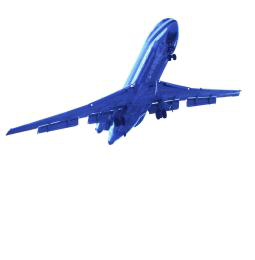
Show reference sentence / 查看参考答案
Other correct sentences are possible. Check word order, required words and meaning. This is self-review, not an automatic writing grade.
Mandarin Zone study notes · 本站学习解析
Reference sentence to analyse / 分析参考句
飞机已经起飞了。How the sentence works / 句子怎么组织
The plane is airborne and climbing, fitting a takeoff scene; 已经……了 presents takeoff as completed.
图中飞机离地向上飞,可用“起飞”写起飞的场景;参考句用“已经……了”表示已发生。
What to watch for / 自查易错处
已经 is not mandatory; 飞机正在起飞 also fits, while 飞机起飞机场 lacks a valid connection to the airport.
不必照抄“已经”;“飞机正在起飞”也可描述该场景,但“飞机起飞机场”缺少必要结构。
Try this next time / 下次怎么判断
Check the required word, an appropriate subject and coherent aspect, as in 飞机正在起飞.
检查是否用了“起飞”、主语是否合适、时态表达是否连贯,例如“飞机正在起飞”。

Show reference sentence / 查看参考答案
Other correct sentences are possible. Check word order, required words and meaning. This is self-review, not an automatic writing grade.
Mandarin Zone study notes · 本站学习解析
Reference sentence to analyse / 分析参考句
这些花好香啊!How the sentence works / 句子怎么组织
The woman holds flowers near her nose, supporting a sentence about their fragrance; 好 intensifies 香 here.
图中女士手捧鲜花放在鼻子附近,可合理写她觉得花香;“好香”中的“好”表示很、非常。
What to watch for / 自查易错处
A photo cannot prove a smell, but fragrance is a plausible detail; 花在香 incorrectly treats 香 as an ongoing action.
照片不能直接证明气味,但花香是合理的场景补充;不要把“香”写成“花在香”这样的动作。
Try this next time / 下次怎么判断
Use 花很香 or 这些花闻起来很香, retaining the required word in a complete description.
可用“花很香”或“这些花闻起来很香”,保留指定词并写完整判断。

Show reference sentence / 查看参考答案
Other correct sentences are possible. Check word order, required words and meaning. This is self-review, not an automatic writing grade.
Mandarin Zone study notes · 本站学习解析
Reference sentence to analyse / 分析参考句
他每天早上都要跑两公里。How the sentence works / 句子怎么组织
The man is running; 公里 is a distance unit that can supply a plausible detail, as in 他跑了两公里.
图中男子在跑步;“公里”是距离单位,可用“他跑了两公里”等句子补充合理距离。
What to watch for / 自查易错处
The routine and two-kilometre distance are added by the model sentence, not visible facts; other times or distances can fit.
“每天早上”和“两公里”是参考句补充的情境,图片不能证明;不必使用同一个时间或数字。
Try this next time / 下次怎么判断
Use 跑 + distance, remember that 公里 measures distance rather than time, and stay consistent with the running scene.
用“跑+距离”造句,注意“公里”不是时间单位,并让情境与跑步图相符。

Show reference sentence / 查看参考答案
Other correct sentences are possible. Check word order, required words and meaning. This is self-review, not an automatic writing grade.
Mandarin Zone study notes · 本站学习解析
Reference sentence to analyse / 分析参考句
躺着看书对眼睛不好。How the sentence works / 句子怎么组织
The picture shows a person reading while lying down; 躺着 describes the posture during reading, as in 他躺着看书.
图中人物躺着看书;“躺着”说明看书时保持的姿势,可直接写“他躺着看书”。
What to watch for / 自查易错处
The second half of the reference sentence is an added judgment, not visually established information or a required part of the answer.
参考句后半句是额外评价,不是图片可证明的信息,也不是造句必须写出的内容。
Try this next time / 下次怎么判断
Use 躺着 + action to describe posture, include 躺, and do not feel obliged to copy the added judgment.
用“躺着+动作”描述姿势,检查指定词“躺”已使用;无需照抄参考句的评价。

Show reference sentence / 查看参考答案
Other correct sentences are possible. Check word order, required words and meaning. This is self-review, not an automatic writing grade.
Mandarin Zone study notes · 本站学习解析
Reference sentence to analyse / 分析参考句
她们在讨论明天的事情。How the sentence works / 句子怎么组织
Three women examine papers together, fitting 她们在讨论一个问题; 在 + 讨论 marks an ongoing discussion.
图中三位女士一起看材料交流,可用“她们在讨论一个问题”描述;“在+讨论”表示进行中的动作。
What to watch for / 自查易错处
Tomorrow's matters are a topic supplied by the reference, not confirmed by the picture; work or plans can also fit.
“明天的事情”是参考句设定的话题,图上无法确认;讨论工作或计划也可以合理贴图。
Try this next time / 下次怎么判断
Check who + 在讨论 + what, choosing a topic consistent with people examining papers together.
检查“谁+在讨论+什么”是否完整,并选择与共同看材料相符的话题。
About Test 14
Test 14 contains 100 questions: 10 listening, 35 listening, 10 reading, 10 reading, 20 reading, 15 writing. This is a complete set in the older exam format. You can take it interactively to save your answers, review listening and reading mistakes, and compare your writing with reference sentences. Writing is not automatically graded.
Reading passages in this test cover topics such as: “54. A:我们下午5 点出发去首都机场来不及吧? B:是,今天正好是周末,可能会堵车,( )早点儿出发。…”, “56. 请将下列句子正确排序:A 每当给小孩子打针时 B 王护士经验丰富 C 她都会有很多办法引开孩子的注意力…”, “57. 请将下列句子正确排序:A 直到今天,我们仍然都很注意这一点 B 这使得我们养成了节约的习惯 C 母亲从小就教育我…”. These reflect the HSK 4 syllabus requirement to handle real-world topics with a certain level of complexity.
Browse all 19 HSK 4 mock tests on the free HSK 4 practice test homepage, or study with our 1000-word HSK 4 vocabulary list, HSK 4 grammar guide, 100 essential HSK 4 sentence patterns, HSK 4 writing exercises, or compare difficulty levels with our HSK 4 vs HSK 3 and HSK 4 vs HSK 5 guides.
Before You Start Test 14 — HSK 4 Strategies / 应试技巧
Read the relevant strategy guide first to gain 15-30 score points on this mock exam:
Or jump to the complete HSK 4 strategy hub · 选词填空 mixed practice · 100 essential sentences · 完成句子 writing drill · HSK 4 measure words (量词) · 43 confusable pairs.