
HSK 4 Official Exam 13 (H41220) Complete Mock
Write your own answers and get listening and reading feedback interactively, or scroll down to review all 100 questions.
Listening · 听力判断
Show transcript / 听力原文
Show answer & explanation / 查看答案与解析
Mandarin Zone study notes · 本站学习解析
Evidence from the transcript / 听力原文依据
我们去植物园了Why this answer fits / 为什么选这个答案
The speaker explicitly says they went to the botanical garden, so the statement is true.
原文直接说去了植物园,与题干一致,所以选“对”。
Avoid this mistake / 容易误选在哪里
The weather, flowers and photos are background details, not evidence against the visit.
天气、花和照片是背景信息,不会改变去过植物园这件事。
Try this next time / 下次怎么判断
Match the people, place and action in the statement to the recording.
先确认题干中的人物、地点和行为,再核对原文。
Show transcript / 听力原文
Show answer & explanation / 查看答案与解析
Mandarin Zone study notes · 本站学习解析
Evidence from the transcript / 听力原文依据
他的课很受学生欢迎Why this answer fits / 为什么选这个答案
His classes are popular with students: they like attending them. Here 上课 means to attend class.
“很受学生欢迎”表示学生喜欢他的课,对应题干的“爱上张教授的课”。这里“上课”指参加课程。
Avoid this mistake / 容易误选在哪里
Do not read 爱上 as falling in love with the professor; 上……的课 refers to attending his classes.
这里不是说学生爱上了张教授本人;要把“上……的课”作为一个整体理解。
Try this next time / 下次怎么判断
Look for paraphrases such as 受欢迎 and 喜欢.
把“受欢迎”和“喜欢”这样的同义表达对应起来。
Show transcript / 听力原文
Show answer & explanation / 查看答案与解析
Mandarin Zone study notes · 本站学习解析
Evidence from the transcript / 听力原文依据
灯也没关Why this answer fits / 为什么选这个答案
The light was not switched off, so it was still on.
灯没有关,表示灯还亮着,因此题干正确。
Avoid this mistake / 容易误选在哪里
Falling asleep does not mean turning off the light; the recording explicitly says she did not.
“睡着了”不代表“关灯了”;原文特意说明她连灯都没有关。
Try this next time / 下次怎么判断
For 没 + action, work out the state that remains because the action did not happen.
听到“没+动作”时,判断这个动作没有发生后留下的状态。
Show transcript / 听力原文
Show answer & explanation / 查看答案与解析
Mandarin Zone study notes · 本站学习解析
Evidence from the transcript / 听力原文依据
人们已经很少关心宾馆有没有传真机Why this answer fits / 为什么选这个答案
Guests mainly care about cleanliness and rarely care whether there is a fax machine. The statement misrepresents that emphasis.
原文说客人最关心清洁,很少关心传真机等办公用品,不支持题干所说的需求,因此选“错”。
Avoid this mistake / 容易误选在哪里
Hearing 传真机 is not enough: 很少关心 says guests rarely care about it.
听到“传真机”这个词,不等于客人希望宾馆提供它;必须连同“很少关心”一起理解。
Try this next time / 下次怎么判断
Check attitude and negation words, especially 很少, 不 and 最.
判断题要核对态度词,特别是“很少、不、最”。
Show transcript / 听力原文
Show answer & explanation / 查看答案与解析
Mandarin Zone study notes · 本站学习解析
Evidence from the transcript / 听力原文依据
还可以在许多超市刷卡购物Why this answer fits / 为什么选这个答案
刷卡购物 means paying by card for purchases; the recording explicitly allows this use.
“刷卡购物”就是用卡买东西,原文明确说公交卡有这个用途。
Avoid this mistake / 容易误选在哪里
Do not assume the card is only for transport because of its name.
不要因名称是“公交卡”,就认定它只能乘车使用。
Try this next time / 下次怎么判断
After 不仅……还……, listen for the additional use or fact.
“不仅……还……”后面的内容往往是新增用途或信息。
Show transcript / 听力原文
Show answer & explanation / 查看答案与解析
Mandarin Zone study notes · 本站学习解析
Evidence from the transcript / 听力原文依据
是在国外旅游的时候认识的Why this answer fits / 为什么选这个答案
They met abroad, not in their home country, so the statement is false.
两人在“国外”认识,而题干说“国内”,地点相反,所以选“错”。
Avoid this mistake / 容易误选在哪里
Similar personalities explain the friendship, not where they met.
“性格差不多、聊得来”解释成为朋友的原因,不是认识的地点。
Try this next time / 下次怎么判断
Identify whether the statement tests place, time or reason.
先标记题干要判断的是地点、时间还是原因。
Show transcript / 听力原文
Show answer & explanation / 查看答案与解析
Mandarin Zone study notes · 本站学习解析
Evidence from the transcript / 听力原文依据
飞机不仅准时起飞Why this answer fits / 为什么选这个答案
飞机 and 起飞 show that he travelled by plane, not by train.
“飞机”“起飞”都表明他乘坐的是飞机,不是火车。
Avoid this mistake / 容易误选在哪里
A business trip to Beijing does not identify the transport; the explicit vehicle does.
“去北京出差”本身不能确定交通工具;要听具体方式。
Try this next time / 下次怎么判断
Connect transport words with their actions, such as a plane taking off.
把交通工具和对应动作一起记:飞机起飞,火车发车。
Show transcript / 听力原文
Show answer & explanation / 查看答案与解析
Mandarin Zone study notes · 本站学习解析
Evidence from the transcript / 听力原文依据
北方春季天气干燥Why this answer fits / 为什么选这个答案
The recording says the weather is dry, whereas the statement says humid.
原文是“干燥”,题干是“湿润”,两者意思相反,因此选“错”。
Avoid this mistake / 容易误选在哪里
Parks and forests are mentioned as fire-risk locations, not proof of humidity.
公园和森林只是需要小心防火的地点,不能据此推断空气湿润。
Try this next time / 下次怎么判断
Watch for opposite weather descriptions such as dry versus humid.
遇到气候题,注意干燥/湿润、冷/热等反义词。
Show transcript / 听力原文
Show answer & explanation / 查看答案与解析
Mandarin Zone study notes · 本站学习解析
Evidence from the transcript / 听力原文依据
说不定我就可以帮你的忙Why this answer fits / 为什么选这个答案
He offers the possibility of helping his sister, which supports the statement about his intention.
他说也许可以帮忙,表达了想帮助姐姐的意愿,因此题干正确。
Avoid this mistake / 容易误选在哪里
说不定 makes success uncertain; it does not cancel the offer to help.
“说不定”表示不确定能否帮上忙,不是否定想帮忙。
Try this next time / 下次怎么判断
Distinguish willingness to help from certainty of success.
区分“愿意做”和“一定能做到”。
Show transcript / 听力原文
Show answer & explanation / 查看答案与解析
Mandarin Zone study notes · 本站学习解析
Evidence from the transcript / 听力原文依据
有些书只要快速阅读Why this answer fits / 为什么选这个答案
Some books only need a quick read, while others need careful reading. There is no blanket rule to read slowly.
原文区分了快速阅读和仔细阅读两类情况,并没有要求所有书都慢慢读。
Avoid this mistake / 容易误选在哪里
Focusing only on the later advice to spend more time misses the first category.
只听到后面的“多花些时间”,会漏掉前面的“有些书”。
Try this next time / 下次怎么判断
Check the scope of a claim: some is not the same as all.
判断概括是否过度,留意“有些、所有、都”等范围词。
Listening · 听力选择
Show transcript / 听力原文
Show answer & explanation / 查看答案与解析
Mandarin Zone study notes · 本站学习解析
Evidence from the transcript / 听力原文依据
我几乎没时间陪孩子Why this answer fits / 为什么选这个答案
She wants more time with her child because frequent overtime leaves almost none, so D fits.
女方想换工作,是因为经常加班,没有时间陪孩子,因此选 D。
Avoid this mistake / 容易误选在哪里
The man says the income is high, ruling out low pay. Distance and a doctorate are not mentioned.
男方说收入“挺高”,直接排除工资低;距离和读博士没有提到。
Try this next time / 下次怎么判断
For a reason question, locate the person's own complaint or explanation.
问原因时,抓说话人自己给出的不满或解释。
Show transcript / 听力原文
Show answer & explanation / 查看答案与解析
Mandarin Zone study notes · 本站学习解析
Evidence from the transcript / 听力原文依据
我眼睛有点儿疼Why this answer fits / 为什么选这个答案
Eye pain is paraphrased as discomfort in the eyes, so D is correct.
“眼睛疼”对应“眼睛难受”,所以选 D。
Avoid this mistake / 容易误选在哪里
Being urged to get up does not establish sleepiness; fever and thirst are also unsupported.
女方说他懒、让他起床,是催促,不等于男方说自己困;也没有发烧或口渴的信息。
Try this next time / 下次怎么判断
Match the body part and symptom rather than guessing from the situation.
身体不适题要对应具体部位和症状。
Show transcript / 听力原文
Show answer & explanation / 查看答案与解析
Mandarin Zone study notes · 本站学习解析
Evidence from the transcript / 听力原文依据
我们半个小时后楼下集合Why this answer fits / 为什么选这个答案
She asks everyone to gather downstairs in half an hour, matching B.
女方安排半小时后集合,属于“一会儿集合”,所以选 B。
Avoid this mistake / 容易误选在哪里
Resting first is part of the schedule, not a cancelled plan or waiting for news.
“先回房间休息”只是集合前的安排,不是取消计划或留下等消息。
Try this next time / 下次怎么判断
Track the sequence to identify the next planned action.
按“先……后……”理清下一步实际行动。
Show transcript / 听力原文
Show answer & explanation / 查看答案与解析
Mandarin Zone study notes · 本站学习解析
Evidence from the transcript / 听力原文依据
不过菜的味道确实不错Why this answer fits / 为什么选这个答案
He admits it is expensive but praises the food, so A matches his view.
男方承认贵,但肯定菜的味道,选 A“菜很好吃”。
Avoid this mistake / 容易误选在哪里
Expensive does not mean bad food. Service, customer numbers and bread prices are not discussed.
价格贵不代表菜不好吃;服务、顾客数量和面包价格都没有依据。
Try this next time / 下次怎么判断
Listen carefully after 不过 or 但是 for the speaker's main evaluation.
“不过、但是”后面常出现说话人着重表达的看法。
Show transcript / 听力原文
Show answer & explanation / 查看答案与解析
Mandarin Zone study notes · 本站学习解析
Evidence from the transcript / 听力原文依据
你的汉语讲得非常流利Why this answer fits / 为什么选这个答案
Speaking Chinese fluently supports B: her Chinese is very good.
“汉语流利”说明汉语很好,选 B。
Avoid this mistake / 容易误选在哪里
Working in China for twelve years does not prove she is a translator; overtime and lateness are absent.
在中国工作十二年并不能确定职业是翻译;加班和迟到没有提到。
Try this next time / 下次怎么判断
Choose what is confirmed, without inventing a profession.
选原文能确认的信息,不用常识补出职业。
Show transcript / 听力原文
Show answer & explanation / 查看答案与解析
Mandarin Zone study notes · 本站学习解析
Evidence from the transcript / 听力原文依据
我的电子信箱每天都会收到很多垃圾邮件Why this answer fits / 为什么选这个答案
Her stated problem is receiving a lot of spam, so D is correct.
女方直接提出垃圾邮件太多的问题,选 D。
Avoid this mistake / 容易误选在哪里
垃圾邮件 means spam, not a rubbish bin. Passwords and cameras are unrelated.
“垃圾邮件”是电子邮件,不是垃圾桶;对话也没有密码或照相机问题。
Try this next time / 下次怎么判断
Identify the object of the problem before following the proposed solution.
先定位问题对象,再听解决办法。
Show transcript / 听力原文
Show answer & explanation / 查看答案与解析
Mandarin Zone study notes · 本站学习解析
Evidence from the transcript / 听力原文依据
我们再看几家Why this answer fits / 为什么选这个答案
She wants to compare more shops before deciding, so C expresses her intention.
女方希望再比较几家后决定,意思是先别急着买,选 C。
Avoid this mistake / 容易误选在哪里
Looking around does not imply difficulty carrying it, dirt or insufficient money.
没有说搬不动、需要擦拭或钱不够;这些都不能从“再看看”推出来。
Try this next time / 下次怎么判断
Translate an indirect suggestion into its practical action: compare first, decide later.
把委婉建议转换成实际行动:先比较,后决定。
Show transcript / 听力原文
Show answer & explanation / 查看答案与解析
Mandarin Zone study notes · 本站学习解析
Evidence from the transcript / 听力原文依据
那我们打车去Why this answer fits / 为什么选这个答案
打车 means taking a taxi, so D is correct.
“打车”就是乘出租车,选 D。
Avoid this mistake / 容易误选在哪里
Walking is the rejected option. Boats and the subway are not mentioned.
步行被认为来不及,是被放弃的方式;船和地铁没有提到。
Try this next time / 下次怎么判断
Separate the option discussed from the option finally chosen.
分清被讨论的方案和最后决定的方案。
Show transcript / 听力原文
Show answer & explanation / 查看答案与解析
Mandarin Zone study notes · 本站学习解析
Evidence from the transcript / 听力原文依据
下午来看牙Why this answer fits / 为什么选这个答案
He explicitly says his appointment is for dental care, so A fits.
男方说自己预约了看牙,选 A。
Avoid this mistake / 容易误选在哪里
The floor and room number locate the doctor; they do not change the purpose of the visit.
二层、二零五是医生的位置,不是来访目的;其余活动没有依据。
Try this next time / 下次怎么判断
For 来做什么, locate the phrase stating the purpose.
问“来做什么”时,找表示目的的动词短语。
Show transcript / 听力原文
Show answer & explanation / 查看答案与解析
Mandarin Zone study notes · 本站学习解析
Evidence from the transcript / 听力原文依据
今天最高气温四十一度Why this answer fits / 为什么选这个答案
Both the complaint about heat and the reported high temperature support C.
女方说热,男方又确认最高温四十一度,共同支持“今天特别热”,选 C。
Avoid this mistake / 容易误选在哪里
Heat alone does not establish a broken air conditioner or closed window; winter is not stated.
不能因为天气热就推断空调坏了或窗户没开;冬天也不是原文信息。
Try this next time / 下次怎么判断
Summarize the shared evidence without adding an unstated cause.
概括共同信息,避免猜测没有提到的原因。
Show transcript / 听力原文
Show answer & explanation / 查看答案与解析
Mandarin Zone study notes · 本站学习解析
Evidence from the transcript / 听力原文依据
就今年十月一号Why this answer fits / 为什么选这个答案
This answers the question about their wedding date, supporting D: they are getting married.
这句话回答“什么时候结婚”,说明已经商量好婚期,对应 D。
Avoid this mistake / 容易误选在哪里
Romance, postgraduate study and leave from work are not discussed.
对话没有说明是否浪漫、是否读研究生或是否经常请假。
Try this next time / 下次怎么判断
Interpret a short reply in the context of the question it answers.
简短回答需要放回前一句问题中理解。
Show transcript / 听力原文
Show answer & explanation / 查看答案与解析
Mandarin Zone study notes · 本站学习解析
Evidence from the transcript / 听力原文依据
这车到首都机场吗Why this answer fits / 为什么选这个答案
She asks whether the vehicle goes to Capital Airport, indicating her destination: A.
女方询问是否到首都机场,表明目的地是机场,选 A。
Avoid this mistake / 容易误选在哪里
The vehicle not serving the airport does not change her intended destination.
男方说这辆车不到机场,是线路不合适,并不表示女方不去机场。
Try this next time / 下次怎么判断
Distinguish the traveller's destination from the vehicle's route.
区分乘客目的地与车辆实际线路。
Show transcript / 听力原文
Show answer & explanation / 查看答案与解析
Mandarin Zone study notes · 本站学习解析
Evidence from the transcript / 听力原文依据
海边风大Why this answer fits / 为什么选这个答案
The warning about wind at the seaside and her readiness support A.
男方提醒去海边要多穿衣服,女方说已准备好,目的地为海边,选 A。
Avoid this mistake / 容易误选在哪里
The health warning is preparation advice, not a destination; the other places are unsupported.
“别感冒”是提醒,不表示目的地是医院;其他三个地点也没有依据。
Try this next time / 下次怎么判断
Connect preparation advice to the place it refers to.
把天气提醒与前面的地点联系起来。
Show transcript / 听力原文
Show answer & explanation / 查看答案与解析
Mandarin Zone study notes · 本站学习解析
Evidence from the transcript / 听力原文依据
我在桥南边的那个咖啡店等你Why this answer fits / 为什么选这个答案
He explicitly says he is waiting for her at a café, so B is correct.
男方明确表示正在等女方,所以选 B。
Avoid this mistake / 容易误选在哪里
It is the woman who is delayed by traffic; do not swap the speakers' situations.
堵车、还要半小时才到的是女方,不要把两人的情况对调。
Try this next time / 下次怎么判断
Identify which speaker the question asks about.
先确认题目问男方还是女方,再提取对应信息。
Show transcript / 听力原文
Show answer & explanation / 查看答案与解析
Mandarin Zone study notes · 本站学习解析
Evidence from the transcript / 听力原文依据
由他负责是最合适的Why this answer fits / 为什么选这个答案
She says he is the most suitable person to take responsibility, matching B.
女方认为老祝最适合负责这次活动,选 B。
Avoid this mistake / 容易误选在哪里
Looks, weight and liveliness are not the evaluation here; suitability for the task is.
帅、胖和活泼都是外貌或性格评价,原文评价的是活动负责人是否合适。
Try this next time / 下次怎么判断
Identify what aspect is being evaluated.
问评价时,确认评价的是能力、外貌还是安排。
Show transcript / 听力原文
Show answer & explanation / 查看答案与解析
Mandarin Zone study notes · 本站学习解析
Evidence from the transcript / 听力原文依据
这个眼镜挺不错Why this answer fits / 为什么选这个答案
They are discussing and trying on glasses, so D fits.
他们正在试戴眼镜,因此选 D。
Avoid this mistake / 容易误选在哪里
The mirror helps him see the glasses; it is not the purchase. The other items are absent.
镜子是用来照试戴效果的辅助物,不是他们要买的对象;袜子、手表、牙膏未提及。
Try this next time / 下次怎么判断
Identify the main item being tried on or tested.
找出被试用、试穿或试戴的核心物品。
Show transcript / 听力原文
Show answer & explanation / 查看答案与解析
Mandarin Zone study notes · 本站学习解析
Evidence from the transcript / 听力原文依据
我们公司举办一个舞会Why this answer fits / 为什么选这个答案
The invitation is to the company dance, so C is correct.
男方邀请女方一起参加公司的舞会,选 C。
Avoid this mistake / 容易误选在哪里
Asking the time confirms interest in the same event; it does not change the activity.
“明天晚上几点”是在确认邀请时间,没有把活动改成电影、游戏或参观。
Try this next time / 下次怎么判断
Identify the event before tracking who is invited and when.
先锁定活动名称,再核对邀请对象和时间。
Show transcript / 听力原文
Show answer & explanation / 查看答案与解析
Mandarin Zone study notes · 本站学习解析
Evidence from the transcript / 听力原文依据
所以没几个合适的Why this answer fits / 为什么选这个答案
Few employers are suitable for him, supporting D: he sees limited opportunities.
适合他的公司很少,说明他觉得求职机会不大,选 D。
Avoid this mistake / 容易误选在哪里
Knowing the fair targets economics and management does not establish that he studies law.
招聘会面向经济和管理专业,不代表男方一定学法律;不能推出具体专业。
Try this next time / 下次怎么判断
Distinguish a supported conclusion from an unstated specific identity.
区分能推出的判断与原文没有说明的具体身份。
Show transcript / 听力原文
Show answer & explanation / 查看答案与解析
Mandarin Zone study notes · 本站学习解析
Evidence from the transcript / 听力原文依据
我要去趟超市Why this answer fits / 为什么选这个答案
He explicitly says he is going to the supermarket, so A is correct.
男方直接说去超市,选 A。
Avoid this mistake / 容易误选在哪里
Dumplings and two bags describe the purchase, not the destination.
饺子和两袋是购物内容、数量,不是地点。银行和运动场所未提及。
Try this next time / 下次怎么判断
For a place question, keep track of the place despite later shopping details.
问地点就记录地点,不被后续物品数量分散注意。
Show transcript / 听力原文
Show answer & explanation / 查看答案与解析
Mandarin Zone study notes · 本站学习解析
Evidence from the transcript / 听力原文依据
为什么老师还让我们节约用水Why this answer fits / 为什么选这个答案
She wonders why water must be conserved when Earth has so much, so C is correct.
女孩不理解地球水很多为什么还要节约用水,选 C。
Avoid this mistake / 容易误选在哪里
The first question introduces the topic; the later 既然……为什么…… states the puzzle being tested.
最初询问地球颜色是话题开头;后面的“既然……为什么……”才表达她的疑惑。
Try this next time / 下次怎么判断
Follow how the discussion develops to the question actually being tested.
抓住对话后续真正提出的疑问,注意话题推进。
Show transcript / 听力原文
Show answer & explanation / 查看答案与解析
Mandarin Zone study notes · 本站学习解析
Evidence from the transcript / 听力原文依据
肚子有点儿不舒服Why this answer fits / 为什么选这个答案
She cancels shopping because her stomach feels uncomfortable, so D fits.
女方因为肚子不舒服而不去逛街,选 D。
Avoid this mistake / 容易误选在哪里
Drinking hot water is her proposed response, not evidence of hunger, leg pain or weight loss.
喝热水是她打算采取的办法,不是证明她饿了;腿疼和变瘦也没有提到。
Try this next time / 下次怎么判断
Keep the symptom separate from its cause or proposed response.
把症状、原因和应对办法分开记录。
Show transcript / 听力原文
Show answer & explanation / 查看答案与解析
Mandarin Zone study notes · 本站学习解析
Evidence from the transcript / 听力原文依据
得骑自行车Why this answer fits / 为什么选这个答案
He corrects the suggestion of walking and says he needs to cycle, supporting A.
男方纠正“走路上班”的猜测,说需要骑自行车,选 A。
Avoid this mistake / 容易误选在哪里
He has rented a place, not decided to sell one; quietness and Mandarin ability are absent.
他说已经租到房子,不是考虑卖房;安静和普通话没有提到。
Try this next time / 下次怎么判断
Give priority to a correction over the earlier speaker's guess.
对话中的纠正信息优先于前一人的猜测。
Show transcript / 听力原文
Show answer & explanation / 查看答案与解析
Mandarin Zone study notes · 本站学习解析
Evidence from the transcript / 听力原文依据
没尝出来,再放点儿吧Why this answer fits / 为什么选这个答案
He cannot taste the sweetness and asks for more sugar, so A matches his judgment.
男方觉得糖的甜味不明显,要求再放一些,所以选 A“不甜”。
Avoid this mistake / 容易误选在哪里
Adding sugar and perceiving sweetness are different; the question asks his opinion.
女方说放过糖,只能说明加糖这个动作发生过,不能说明男方尝起来觉得甜。
Try this next time / 下次怎么判断
Distinguish what was done in cooking from how the food tastes to the speaker.
分清制作过程与品尝后的评价。
Show transcript / 听力原文
Show answer & explanation / 查看答案与解析
Mandarin Zone study notes · 本站学习解析
Evidence from the transcript / 听力原文依据
我有些材料要交给他Why this answer fits / 为什么选这个答案
She wants to hand documents to the principal, so B is correct.
女方要把材料交给叶校长,选 B。
Avoid this mistake / 容易误选在哪里
打扰一下 is a polite opening, not the reason for her visit.
“打扰一下”是礼貌开场,不代表她专门来道歉;报纸、杂志未提及。
Try this next time / 下次怎么判断
Do not confuse a polite opening with the purpose of a visit.
不要把礼貌用语误当成办事目的。
Show transcript / 听力原文
Show answer & explanation / 查看答案与解析
Mandarin Zone study notes · 本站学习解析
Evidence from the transcript / 听力原文依据
这儿是出口,禁止停车Why this answer fits / 为什么选这个答案
Cars, parking and separate entrances and exits make a car park the best-supported option, B.
对话涉及车辆、停车、入口和出口,四个选项中停车场最符合,选 B。
Avoid this mistake / 容易误选在哪里
Entrance and exit alone are not decisive; combine them with parking and driving.
单独的“入口、出口”很多场所都有;要结合“车停这儿”和“往西开”。
Try this next time / 下次怎么判断
Combine multiple contextual clues for a setting question.
场景题至少综合两个相关线索再判断。
Show transcript / 听力原文
Show answer & explanation / 查看答案与解析
Mandarin Zone study notes · 本站学习解析
Evidence from the transcript / 听力原文依据
因为有些人懒得洗衣服,于是有了洗衣机Why this answer fits / 为什么选这个答案
Within this passage's explanation, wanting to avoid laundry work motivates the washing machine; D is the closest paraphrase.
在这段话的因果关系中,人们想省去洗衣劳动,于是出现洗衣机,D 最接近这个意思。
Avoid this mistake / 容易误选在哪里
Answer from this passage, not invention history. Money, pollution and dirty clothes are not its stated reasons.
这不是根据历史知识判断发明原因;赚钱、污染和衣服太脏都不是这段话给出的理由。
Try this next time / 下次怎么判断
When asked 根据这段话, use the cause expressed in the passage.
“根据这段话”要求选择文中表达的原因。
Show transcript / 听力原文
Show answer & explanation / 查看答案与解析
Mandarin Zone study notes · 本站学习解析
Evidence from the transcript / 听力原文依据
所以,懒不一定是件坏事Why this answer fits / 为什么选这个答案
The invention examples support the conclusion that laziness can have benefits, so A fits.
一系列发明的例子用来说明“懒”也可能带来好处,选 A。
Avoid this mistake / 容易误选在哪里
Typing, stairs and laundry are examples, not the overall message.
打字、爬楼和洗衣都是例子,不能把某一个例子当成整段主旨。
Try this next time / 下次怎么判断
Find the conclusion after 所以 and ask what the examples support.
主旨题先找“所以”引出的总结,再看例子支持什么。
Show transcript / 听力原文
Show answer & explanation / 查看答案与解析
Mandarin Zone study notes · 本站学习解析
Evidence from the transcript / 听力原文依据
从小就学习弹钢琴Why this answer fits / 为什么选这个答案
The activity the parents want their children to learn is playing the piano, C.
父母希望孩子学的是弹钢琴,选 C。
Avoid this mistake / 容易误选在哪里
Becoming clever or outstanding is the hoped-for result, not the activity.
聪明、优秀是父母期待的效果,不是要学习的项目;其他活动没有出现。
Try this next time / 下次怎么判断
Separate the activity from the reason for learning it.
区分“学什么”和“为什么学”。
Show transcript / 听力原文
Show answer & explanation / 查看答案与解析
Mandarin Zone study notes · 本站学习解析
Evidence from the transcript / 听力原文依据
还是要尊重孩子的想法Why this answer fits / 为什么选这个答案
The speaker stresses respecting the child's wishes, which best matches B about interest.
作者强调是否学琴要尊重孩子的想法,对应 B“兴趣才重要”。
Avoid this mistake / 容易误选在哪里
The parents' hope appears first, but the advice after 但 carries the main point.
父母希望孩子更优秀是前面的观点;“但”后才是作者强调的建议。
Try this next time / 下次怎么判断
Look for the main recommendation after a contrast.
主旨题留意转折后提出的建议。
Show transcript / 听力原文
Show answer & explanation / 查看答案与解析
Mandarin Zone study notes · 本站学习解析
Evidence from the transcript / 听力原文依据
旅行是很好的减压方法Why this answer fits / 为什么选这个答案
The opening explicitly calls travel a way to reduce stress; renewed energy reinforces C.
说话人先说明旅行能减压,后面恢复精神的描述也支持这一点,选 C。
Avoid this mistake / 容易误选在哪里
Food and sights are activities during travel, not the stated motivation; gifts are absent.
美食和景点是旅途中做的事,不能替换题目问的旅行原因;买礼物未提及。
Try this next time / 下次怎么判断
Separate the motivation for travel from activities during the trip.
把“为什么喜欢”与“旅行时做什么”分开。
Show transcript / 听力原文
Show answer & explanation / 查看答案与解析
Mandarin Zone study notes · 本站学习解析
Evidence from the transcript / 听力原文依据
先去尝尝当地有名的美食Why this answer fits / 为什么选这个答案
The first action on arrival is trying local food, so B is correct.
到目的地后先品尝美食,所以选 B。
Avoid this mistake / 容易误选在哪里
Sightseeing comes later, after 再; the other options are not mentioned.
“再去看看景点”发生在后面;其他三个选项没有原文依据。
Try this next time / 下次怎么判断
Use 先, 再 and 后 to track the order of actions.
听到“先、再、后”时,按顺序记动作。
Show transcript / 听力原文
Show answer & explanation / 查看答案与解析
Mandarin Zone study notes · 本站学习解析
Evidence from the transcript / 听力原文依据
刚开始,她害怕得要哭Why this answer fits / 为什么选这个答案
At the beginning she was so frightened she was about to cry, matching B.
题目问开始时的状态,原文说害怕得快哭了,选 B。
Avoid this mistake / 容易误选在哪里
Her later change after praise does not answer how she felt at the start.
后来眼泪没流出来,是受到表扬后的变化,不能用来回答“开始的时候”。
Try this next time / 下次怎么判断
Match the answer to the time stage specified in the question.
注意题目限定的时间阶段。
Show transcript / 听力原文
Show answer & explanation / 查看答案与解析
Mandarin Zone study notes · 本站学习解析
Evidence from the transcript / 听力原文依据
原来小孩儿喜欢鼓励和表扬Why this answer fits / 为什么选这个答案
The ending explicitly draws the lesson about encouraging and praising children, so D fits.
故事最后点明孩子喜欢鼓励和表扬,因此选 D。
Avoid this mistake / 容易误选在哪里
The medical visit is the setting; patience and sympathy do not capture the stated lesson.
打针、健康是故事背景;“耐心”和“同情心”没有概括文中点明的方法。
Try this next time / 下次怎么判断
Check your proposed main idea against the closing sentence.
用结尾的总结检验你选的主旨。
Show transcript / 听力原文
Show answer & explanation / 查看答案与解析
Mandarin Zone study notes · 本站学习解析
Evidence from the transcript / 听力原文依据
害羞时我们会低下头Why this answer fits / 为什么选这个答案
The passage explicitly links shyness with lowering the head, so A is correct.
按文中对应关系,害羞时会低头,所以选 A。
Avoid this mistake / 容易误选在哪里
Blushing may be plausible in everyday life, but it is not the action given here.
脸红可能符合生活经验,但不是这里给出的身体动作。
Try this next time / 下次怎么判断
For detail questions, use the passage rather than a plausible outside fact.
细节题优先使用原文,不用常识替换。
Show transcript / 听力原文
Show answer & explanation / 查看答案与解析
Mandarin Zone study notes · 本站学习解析
Evidence from the transcript / 听力原文依据
我们可以通过身体动作表达很多感情Why this answer fits / 为什么选这个答案
Examples of bodily actions expressing emotions and their cultural variation point to body language, A.
全文列举身体动作与感情的关系,又提醒文化差异,主题是身体语言,选 A。
Avoid this mistake / 容易误选在哪里
Shyness, welcome and trust are examples; the other options do not describe the overall topic.
害羞、欢迎、信任都是主题下的例子;亚洲、第一印象和安全知识没有构成主题。
Try this next time / 下次怎么判断
Choose a topic broad enough to cover the main examples.
用一个能涵盖全部主要例子的选项概括主题。
Reading · 选词填空
Show answer & explanation / 查看答案与解析
Mandarin Zone study notes · 本站学习解析
Evidence from the question / 题干依据
今天晚上一起去吃饭怎样Why this answer fits / 为什么选这个答案
我请客 means I will pay for the meal, fitting the dinner invitation: E.
“我请客”表示由我付餐费,符合邀请吃饭的语境,选 E。
Avoid this mistake / 容易误选在哪里
坚持 normally needs more context about what is insisted on; 千万 is an adverb, not a complete predicate here. The other words do not express treating someone.
“坚持”通常还需要说明坚持什么;“千万”是副词,不能单独完成“我……”这句话。其余词也不符合请吃饭的意思。
Try this next time / 下次怎么判断
Identify the social situation, then read the completed sentence.
先看交际场景,再把完整短句读一遍。
Show answer & explanation / 查看答案与解析
Mandarin Zone study notes · 本站学习解析
Evidence from the question / 题干依据
行李( )好了吗Why this answer fits / 为什么选这个答案
收拾行李 means packing or arranging luggage; 好 marks completion, so B fits.
“收拾行李”表示整理行李,“收拾好了”表示整理完成,选 B。
Avoid this mistake / 容易误选在哪里
好 follows the action as a result complement. The other verbs do not describe preparing luggage.
这里“好”接在动作后面作结果补语;请客、坚持等不能与“行李”构成这个意思。
Try this next time / 下次怎么判断
Check both the verb-object pairing and the completion meaning of verb + 好.
同时检查动宾搭配和“动词+好”的完成含义。
Show answer & explanation / 查看答案与解析
Mandarin Zone study notes · 本站学习解析
Evidence from the question / 题干依据
这辆车肯定过不去Why this answer fits / 为什么选这个答案
The vehicle cannot get through because the road is too narrow; F fits 太 + adjective + 了.
车过不去说明路太窄,选 F;“太+形容词+了”描述程度。
Avoid this mistake / 容易误选在哪里
响 can describe loudness, but not insufficient road width. The other words do not fit this structure and meaning.
“响”虽也能表示一种状态,却不能说明路宽度不够;其他词不符合这里的结构和语义。
Try this next time / 下次怎么判断
Use the consequence in the second clause to infer the missing description.
后半句常给出填空所需的因果线索。
Show answer & explanation / 查看答案与解析
Mandarin Zone study notes · 本站学习解析
Evidence from the question / 题干依据
手机早上7:05 就( )了Why this answer fits / 为什么选这个答案
手机响了 means the phone sounded or rang, so C is correct.
“手机响了”表示手机发出声音,选 C。
Avoid this mistake / 容易误选在哪里
The later waking time does not change when the phone sounded.
后面的“才起床”说明起床较晚,不是说手机也在八点半才响。
Try this next time / 下次怎么判断
Match each time to its action and notice 就 versus 才.
分别找出每个时间点对应的动作,注意“就”和“才”。
Show answer & explanation / 查看答案与解析
Mandarin Zone study notes · 本站学习解析
Evidence from the question / 题干依据
别再生气了Why this answer fits / 为什么选这个答案
千万别…… strongly urges someone not to do something; A fits the plea to stop being angry.
“千万别……”是加强语气的劝阻,表示一定不要再生气,选 A。
Avoid this mistake / 容易误选在哪里
千万 is an adverb here, not a number. 坚持 does not form this conventional plea.
这里“千万”不是数字;“坚持别生气”也不能表达这个常用劝说句式。
Try this next time / 下次怎么判断
Learn 千万别 and 千万不要 as common combinations.
把“千万别/千万不要”作为常用组合记住。
Show answer & explanation / 查看答案与解析
Mandarin Zone study notes · 本站学习解析
Evidence from the question / 题干依据
别到处( )扔Why this answer fits / 为什么选这个答案
乱扔 means throwing things carelessly, fitting the request not to leave towels everywhere: B.
“乱扔”表示随意、不整齐地扔,符合提醒不要到处扔毛巾,选 B。
Avoid this mistake / 容易误选在哪里
弄 cannot combine directly as 弄扔; the nouns and measure word do not modify 扔 this way.
“弄”是动词,不能直接组成“弄扔”;“温度、钥匙、遍”也不能这样修饰“扔”。
Try this next time / 下次怎么判断
Check whether the blank needs a word describing how an action is done.
判断空格是否需要修饰后面动作的词。
Show answer & explanation / 查看答案与解析
Mandarin Zone study notes · 本站学习解析
Evidence from the question / 题干依据
忘带( )了Why this answer fits / 为什么选这个答案
Standing outside prompts the guess that the person forgot their keys, so F fits.
没有进去让对方猜测是否忘带钥匙,选 F。
Avoid this mistake / 容易误选在哪里
The reply denies the guess about keys; it does not change the noun needed in the question.
后一句否认忘带钥匙,并不使前一句填空变成其他物品;回答是在否定这个猜测。
Try this next time / 下次怎么判断
Complete the question, then check that the response follows naturally.
填好问句后,再检查答句是否自然回应它。
Show answer & explanation / 查看答案与解析
Mandarin Zone study notes · 本站学习解析
Evidence from the question / 题干依据
你的咳嗽会更严重Why this answer fits / 为什么选这个答案
否则 introduces what will happen if the advice to stop smoking is not followed, so D fits.
前面劝他不能再抽烟,后面说不照做的后果,用“否则”,选 D。
Avoid this mistake / 容易误选在哪里
The second clause is the consequence of ignoring the advice, not a new topic.
后半句不是独立的新话题,而是前面建议被违反后的结果。
Try this next time / 下次怎么判断
Test 否则 by paraphrasing it as “if not”.
把“否则”替换成“如果不这样”检查逻辑。
Show answer & explanation / 查看答案与解析
Mandarin Zone study notes · 本站学习解析
Evidence from the question / 题干依据
你不会是( )错了吧Why this answer fits / 为什么选这个答案
弄错了 means getting something wrong or mistaken, making A the natural choice.
“弄错了”表示把事情理解或处理错了,是自然搭配,选 A。
Avoid this mistake / 容易误选在哪里
乱 can modify actions, but 乱错了 is not the required verb-result construction.
“乱”可以修饰动作,但“乱错了”不是这里所需的动词加结果补语结构。
Try this next time / 下次怎么判断
Before result complements such as 错, 好 or 完, check for an appropriate verb.
遇到“错、好、完”等字,检查前面是否需要动词。
Show answer & explanation / 查看答案与解析
Mandarin Zone study notes · 本站学习解析
Evidence from the question / 题干依据
不会只放一( )Why this answer fits / 为什么选这个答案
放一遍 means playing the broadcast through once, so E is correct.
“放一遍”指把广播从头到尾播放一次,选 E。
Avoid this mistake / 容易误选在哪里
The blank after 一 needs a measure for a complete repetition, not an unrelated noun.
“一”后需要计量播放次数的词;钥匙、温度等名词不能计量播放。
Try this next time / 下次怎么判断
遍 counts a complete run-through, as in 听一遍 or 读一遍.
“遍”强调动作完整做一轮,如听一遍、读一遍。
Reading · 语句排序
Show answer & explanation / 查看答案与解析
Mandarin Zone study notes · 本站学习解析
Evidence from the question / 题干依据
C 昨天中午下了一小会儿雨Why this answer fits / 为什么选这个答案
C introduces the rain, A says it was not heavy, and B gives the contrasting result with 却: CAB, option E.
先由 C 引出下雨,A 的“不大”承接雨势,B 用“却”说明空气变湿润,顺序 CAB,选 E。
Avoid this mistake / 容易误选在哪里
Starting with A leaves the subject of 不大 unstated; putting B before A breaks the concessive link.
A 单独开头缺少“不大”所描述的对象;把 B 放在 A 前,会拆开“虽然……却……”的关系。
Try this next time / 下次怎么判断
Resolve omitted subjects and pair 虽然 with 却.
先找需要前文补足的省略成分,再配对“虽然……却……”。
Show answer & explanation / 查看答案与解析
Mandarin Zone study notes · 本站学习解析
Evidence from the question / 题干依据
C 它也因此变得更流行、更普遍了Why this answer fits / 为什么选这个答案
B sets the technological background, A states the price drop, and C refers back with 它 and 因此: BAC, option C.
B 给出科技发展的背景,A 说明手机降价,C 的“它”“因此”承接手机和降价结果,选 C:BAC。
Avoid this mistake / 容易误选在哪里
C needs both a referent for 它 and a cause for 因此, supplied by the earlier clauses.
C 中“它”的对象和“因此”的原因都需要前文;把 C 放在 A 前会缺少关键承接。
Try this next time / 下次怎么判断
Use pronouns and cause-result markers to establish dependencies.
用代词和因果词确定句子依赖关系。
Show answer & explanation / 查看答案与解析
Mandarin Zone study notes · 本站学习解析
Evidence from the question / 题干依据
B 它也会逐渐远离你Why this answer fits / 为什么选这个答案
A gives the condition, C introduces “even if an opportunity arrives”, and B completes the result: ACB, option B.
A 提出不主动的条件,C 引出“就算机会走到面前”,B 说机会仍会远离,选 B:ACB。
Avoid this mistake / 容易误选在哪里
它 in B refers to 机会 in C; 就算……也…… links C to B.
B 的“它”指 C 中的“机会”;“就算……也……”必须按这个方向连接。
Try this next time / 下次怎么判断
Identify the two halves of an “even if … still …” construction.
先找“就算/即使……也……”的两半。
Show answer & explanation / 查看答案与解析
Mandarin Zone study notes · 本站学习解析
Evidence from the question / 题干依据
C 你也不能随便说放弃Why this answer fits / 为什么选这个答案
A and C form 即使……也……; B then states the positive action to take: ACB, option B.
A“即使……”与 C“也不能……”相连,B 再提出应怎样做,顺序 ACB,选 B。
Avoid this mistake / 容易误选在哪里
The negative instruction is followed by the positive recommendation; inserting B between A and C interrupts that link.
先说“不能放弃”,再说“应该做什么”,比把建议插进让步结构中更连贯。
Try this next time / 下次怎么判断
Connect the paired conjunctions before placing the follow-up recommendation.
先连接关联词,再安排补充建议。
Show answer & explanation / 查看答案与解析
Mandarin Zone study notes · 本站学习解析
Evidence from the question / 题干依据
C 首先想到的就是上网找答案Why this answer fits / 为什么选这个答案
B introduces the topic and research; A supplies the people being discussed; C completes their action: BAC, option C.
B 引入电脑生活及研究,A 提出“遇到问题,70%的人”,C 补足他们首先想到的行为,选 C:BAC。
Avoid this mistake / 容易误选在哪里
70%的人 in A needs the predicate supplied by C; A is not a complete thought.
A 的“70%的人”是主语,还缺谓语,必须与 C 衔接;不能把 A 当完整句。
Try this next time / 下次怎么判断
First reconnect subjects and predicates split across fragments.
先把被拆开的主语和谓语接起来。
Show answer & explanation / 查看答案与解析
Mandarin Zone study notes · 本站学习解析
Evidence from the question / 题干依据
C 再晚了恐怕就没座位了Why this answer fits / 为什么选这个答案
B sets the condition, A proposes leaving now, and C explains why delay is risky: BAC, option C.
B 提出如果还想看节目,A 建议现在出发,C 解释晚了可能没座位,选 C:BAC。
Avoid this mistake / 容易误选在哪里
再晚了 explains the urgency of the proposed action and works after it here.
“再晚了”承接现在出发的紧迫性,不应放在建议之前打断条件与行动的联系。
Try this next time / 下次怎么判断
Organize the passage as condition, recommendation, explanation.
按“条件—建议—解释”组织这段话。
Show answer & explanation / 查看答案与解析
Mandarin Zone study notes · 本站学习解析
Evidence from the question / 题干依据
A 因为90 年后出生的孩子也要大学毕业了Why this answer fits / 为什么选这个答案
B states the feeling that time passes quickly; A explains why; C continues the same group’s transition: BAC, option C.
B 先表达时间过得快的感受,A 用“因为”说明原因,C 继续写这些孩子即将进入社会,选 C:BAC。
Avoid this mistake / 容易误选在哪里
C continues with the children introduced in A, so reversing them loses the clear reference.
C 省略的主语是 A 中的孩子;把 C 放在 A 前会失去这个自然承接。
Try this next time / 下次怎么判断
Find the explanatory clause and resolve the omitted subject that follows.
找出原因句,并检查后一句省略了谁。
Show answer & explanation / 查看答案与解析
Mandarin Zone study notes · 本站学习解析
Evidence from the question / 题干依据
C 可惜很多人不能坚持下去Why this answer fits / 为什么选这个答案
A makes a claim, B gives the method stated in the passage, and C adds the difficulty of persistence: ABC, option A.
A 提出减肥简单,B 说明文中所说的办法,C 转折指出难在坚持,选 A:ABC。
Avoid this mistake / 容易误选在哪里
Persistence needs the habits in B as its referent, so C follows B.
“坚持下去”要有前面提到的习惯作对象;C 不宜放在 B 前。
Try this next time / 下次怎么判断
For 可惜, identify the positive situation it contrasts with.
看到“可惜”,找它在对哪一个理想情况作转折。
Show answer & explanation / 查看答案与解析
Mandarin Zone study notes · 本站学习解析
Evidence from the question / 题干依据
C 另外每人还有一台笔记本电脑Why this answer fits / 为什么选这个答案
A gives the reason, B the bonus as a result, and C an additional reward: ABC, option A.
A 是原因,B 用“所以”给出奖金,C 用“另外”补充电脑,顺序 ABC,选 A。
Avoid this mistake / 容易误选在哪里
另外 adds to a reward already mentioned, so it follows the bonus.
“另外”表示在已提到的奖励之外再增加一项,不能先于基本奖励。
Try this next time / 下次怎么判断
Pair 因为 and 所以 before adding the 另外 clause.
先配“因为—所以”,再放“另外”的补充。
Show answer & explanation / 查看答案与解析
Mandarin Zone study notes · 本站学习解析
Evidence from the question / 题干依据
C 然后给夏经理送过去Why this answer fits / 为什么选这个答案
First organize the documents (B), then deliver them (C), and remind the manager while doing so (A): BCA, option D.
B 先整理材料,C 然后送给夏经理,A 顺便提醒他开会,选 D:BCA。
Avoid this mistake / 容易误选在哪里
他 in A refers to Manager Xia in C, while 然后 requires the earlier action in B.
A 的“他”指 C 中夏经理;“然后”也要求先有整理材料的动作。
Try this next time / 下次怎么判断
Use both sequence markers and pronoun references.
同时利用动作顺序词和代词指向。
Reading · 阅读理解
Show answer & explanation / 查看答案与解析
Mandarin Zone study notes · 本站学习解析
Evidence from the question / 题干依据
但也有人认为Why this answer fits / 为什么选这个答案
The passage contrasts a common view with another view, supporting D.
前面说一般认为应睡七八小时,后面给出不同看法,所以选 D“人们看法不同”。
Avoid this mistake / 容易误选在哪里
“The longer, the better” conflicts with the second view; age and gender are not discussed.
A“越长越好”与后面“不需要睡更长时间”相冲突;年龄和性别没有讨论。
Try this next time / 下次怎么判断
Identify the relationship between the views; this question is not asking you to choose sleep advice.
这里考查两种观点的关系,不是要求选择睡眠建议。
Show answer & explanation / 查看答案与解析
Mandarin Zone study notes · 本站学习解析
Evidence from the question / 题干依据
我们应该养成按时锻炼的好习惯Why this answer fits / 为什么选这个答案
The explicit recommendation is regular exercise; the sports are supporting examples, so A fits.
文段直接建议按时锻炼,后面的运动项目都是例子,所以选 A。
Avoid this mistake / 容易误选在哪里
Technique standards, advertising and careers are not discussed.
文中没有讲动作标准,也没有讨论广告和职业。
Try this next time / 下次怎么判断
Separate the recommendation after 应该 from its examples.
把“应该……”的建议与后面的例子区分开。
Show answer & explanation / 查看答案与解析
Mandarin Zone study notes · 本站学习解析
Evidence from the question / 题干依据
原谅别人,给别人一次机会Why this answer fits / 为什么选这个答案
这一点 refers back to forgiving others and giving them another chance, so B is correct.
“这一点”回指前一句原谅别人、给别人机会这件事,选 B。
Avoid this mistake / 容易误选在哪里
None of the other options names the action in the preceding sentence.
代替、相信同事、适应环境都不是前一句所说的行为。
Try this next time / 下次怎么判断
For reference questions, look backwards for the nearest relevant idea.
指代题先向前寻找最直接的完整意思。
Show answer & explanation / 查看答案与解析
Mandarin Zone study notes · 本站学习解析
Evidence from the question / 题干依据
我们能做的就是努力活在现在Why this answer fits / 为什么选这个答案
The conclusion from an unchangeable past and uncertain future is to focus on today, matching B.
文章从过去无法改变、未来不确定,推出要活在现在,对应 B。
Avoid this mistake / 容易误选在哪里
Mentioning tomorrow does not make it the main point; its uncertainty supports focusing on today.
“明天”被提到不等于它是主旨;文章恰恰说未来还不确定。
Try this next time / 下次怎么判断
Use the conclusion after 因此 to identify the main message.
主旨应概括“因此”后面的结论。
Show answer & explanation / 查看答案与解析
Mandarin Zone study notes · 本站学习解析
Evidence from the question / 题干依据
上班天数比平时少很多Why this answer fits / 为什么选这个答案
The January discussed in the passage has fewer working days, so C is correct.
文段说明所谈的 2012 年一月工作日少,选 C。
Avoid this mistake / 容易误选在哪里
“This year” belongs to the passage's historical setting, not the year you take the quiz; the other details are absent.
这里“今年”沿用题文的时间背景,不指你做题的年份;温暖、暑假、打折没有依据。
Try this next time / 下次怎么判断
Anchor relative dates to the passage's time setting.
日期题先确认题文的参照时间。
Show answer & explanation / 查看答案与解析
Mandarin Zone study notes · 本站学习解析
Evidence from the question / 题干依据
他写这本书时才上高中二年级Why this answer fits / 为什么选这个答案
Writing this novel in his second year of high school supports D.
作者高中二年级就在写这本小说,支持 D。
Avoid this mistake / 容易误选在哪里
年龄不大 refers to age, not height. Music and boarding at school are not stated.
“年龄不大”说的是年纪,不是个子;音乐爱好和住校情况没有说明。
Try this next time / 下次怎么判断
Do not turn an age description into a physical description.
不要把关于年龄的描述替换成外貌信息。
Show answer & explanation / 查看答案与解析
Mandarin Zone study notes · 本站学习解析
Evidence from the question / 题干依据
现在是中场休息Why this answer fits / 为什么选这个答案
It is halftime at 0–0, so the final outcome is still unknown: C.
比赛处于中场,比分零比零,还不知道最终输赢,选 C。
Avoid this mistake / 容易误选在哪里
A 0–0 score does not prove a dull match or one not yet started; postponement is absent.
零比零不等于比赛不精彩,也不是还没开始;文中没有说延期。
Try this next time / 下次怎么判断
Separate the stage, current score and final outcome.
区分比赛阶段、当前比分和最终结果。
Show answer & explanation / 查看答案与解析
Mandarin Zone study notes · 本站学习解析
Evidence from the question / 题干依据
只有以更严格的标准来要求自己的人才能超过别人Why this answer fits / 为什么选这个答案
The text explicitly links surpassing others to holding oneself to stricter standards, so C fits.
文段直接把严格要求自己作为超过别人的条件,选 C。
Avoid this mistake / 容易误选在哪里
The other qualities may be positive, but they are not the condition stated here.
信用、感谢和讨论可以是好品质,但不是这段话给出的答案。
Try this next time / 下次怎么判断
Find the required condition in 只有……才…….
优先定位“只有……才……”表达的条件。
Show answer & explanation / 查看答案与解析
Mandarin Zone study notes · 本站学习解析
Evidence from the question / 题干依据
对这门艺术的喜爱从来没有改变过Why this answer fits / 为什么选这个答案
This art refers to Peking opera, and his lasting love for it supports B.
“这门艺术”指京剧,持续的喜爱支持 B。
Avoid this mistake / 容易误选在哪里
A long performing career does not support sadness, dislike of dressing up or carelessness.
演出六十年说明经历长,不说明伤心、讨厌打扮或做事马虎。
Try this next time / 下次怎么判断
Resolve the referent before identifying the person's attitude.
把指代词对应到具体对象,再判断态度。
Show answer & explanation / 查看答案与解析
Mandarin Zone study notes · 本站学习解析
Evidence from the question / 题干依据
结果今天是阴天,天上云很多Why this answer fits / 为什么选这个答案
Clouds prevent the planned moon viewing, explaining her disappointment: C.
她原计划赏月,却遇到多云天气看不到月亮,因此失望,选 C。
Avoid this mistake / 容易误选在哪里
Cloudy skies do not necessarily mean rain. A busy husband or warm weather is not stated.
“阴天、云多”不等于已经下雨;先生忙和天气不凉快也没有说明。
Try this next time / 下次怎么判断
Connect the original plan with the obstacle that prevents it.
原因题要把原计划与实际阻碍联系起来。
Show answer & explanation / 查看答案与解析
Mandarin Zone study notes · 本站学习解析
Evidence from the question / 题干依据
交流不但能解决问题Why this answer fits / 为什么选这个答案
Solving problems is an explicitly stated benefit of communication, so A is correct.
交流能解决问题是文中直接给出的作用,选 A。
Avoid this mistake / 容易误选在哪里
The text adds understanding and closeness, not the other listed activities.
后面还说加深了解和感情,但没有说照顾邻居、减少浪费或吸引观众。
Try this next time / 下次怎么判断
Both halves of 不但……还…… contain relevant benefits.
遇到“不但……还……”时,两部分都是有效信息。
Show answer & explanation / 查看答案与解析
Mandarin Zone study notes · 本站学习解析
Evidence from the question / 题干依据
如果方向不对,无论做多少努力可能都是白费Why this answer fits / 为什么选这个答案
Effort may be wasted in the wrong direction, so the main message is to value direction: C.
文段强调努力之前要看清方向,方向不对可能白费力气,对应 C。
Avoid this mistake / 容易误选在哪里
Working hard is not the sole point; 更要 gives greater weight to checking the direction.
“低头工作”不是唯一重点;后面“更要”突出看清方向。
Try this next time / 下次怎么判断
Notice emphasis markers such as 重要的是 and 更要.
注意“重要的是、更要”这样的强调标记。
Show answer & explanation / 查看答案与解析
Mandarin Zone study notes · 本站学习解析
Evidence from the question / 题干依据
他们相互理解、支持,永远不需要怀疑Why this answer fits / 为什么选这个答案
Mutual understanding, support and lack of suspicion amount to trust, so A fits.
真正的朋友相互理解、支持,不必怀疑,也就是相互信任,选 A。
Avoid this mistake / 容易误选在哪里
The number of friends is not the criterion; neither are identical tempers, frequent meetings or unfamiliarity.
朋友多少不是关键;性格相同、经常见面和不熟悉都不是文中的标准。
Try this next time / 下次怎么判断
Use the contrast to identify the quality the writer values.
把正反对比归纳为作者真正重视的品质。
Show answer & explanation / 查看答案与解析
Mandarin Zone study notes · 本站学习解析
Evidence from the question / 题干依据
知道你是想帮助他Why this answer fits / 为什么选这个答案
The stated purpose of criticism is helping the other person, so B is correct.
文段直接说明批评是想帮助对方,选 B。
Avoid this mistake / 容易误选在哪里
Patience and friendliness describe the manner, not a different purpose.
耐心、友好是提出批评的方式;获得经验、回忆、祝贺都不是这里的目的。
Try this next time / 下次怎么判断
Separate the purpose of an action from how it should be done.
区分“为了什么”和“应该怎样做”。
Show answer & explanation / 查看答案与解析
Mandarin Zone study notes · 本站学习解析
Evidence from the question / 题干依据
他们认为聊天儿只会浪费时间Why this answer fits / 为什么选这个答案
Those people avoid chatting because they consider it a waste of time, so C fits.
题目问一些人不聊天的原因,原文是担心浪费时间,选 C。
Avoid this mistake / 容易误选在哪里
The later benefits are the writer's response, not those people's original reason.
作者后面谈聊天的好处,是自己的反驳,不是这些人原先的理由。
Try this next time / 下次怎么判断
Identify whose viewpoint each sentence represents.
先辨认当前句子是谁的观点。
Show answer & explanation / 查看答案与解析
Mandarin Zone study notes · 本站学习解析
Evidence from the question / 题干依据
聊天儿往往能使人心情变得轻松起来Why this answer fits / 为什么选这个答案
Feeling more relaxed is the closest match to a happier mood, C.
心情轻松与选项“心情愉快”相近,选 C。
Avoid this mistake / 容易误选在哪里
Being popular does not establish becoming prettier, more humorous or more polite.
受欢迎不等于一定变漂亮、幽默或有礼貌;这些变化没有被直接说明。
Try this next time / 下次怎么判断
Recognize a paraphrase without expanding it into a new claim.
选同义改写,避免把相关效果扩大成新结论。
Show answer & explanation / 查看答案与解析
Mandarin Zone study notes · 本站学习解析
Evidence from the question / 题干依据
许多民族的语言逐渐成为了历史Why this answer fits / 为什么选这个答案
Here, becoming history means languages are disappearing, explaining the regret in C.
“成为了历史”在这里表示语言消失,因此作者惋惜语言数量减少,选 C。
Avoid this mistake / 容易误选在哪里
The country count is background, not the object of regret; the other options are unrelated.
国家数量是背景比较,不是作者惋惜的对象;报名、拒绝、阅读量都无关。
Try this next time / 下次怎么判断
Look after 可惜的是 for the object of regret.
“可惜的是”后面通常直接指出遗憾的内容。
Show answer & explanation / 查看答案与解析
Mandarin Zone study notes · 本站学习解析
Evidence from the question / 题干依据
语言不但是人们交流和表达的工具Why this answer fits / 为什么选这个答案
The passage covers languages' number, role and disappearance; D is the broadest matching summary.
文段介绍世界语言数量、作用及一些语言的消失,D“语言发展情况”最能概括。
Avoid this mistake / 容易误选在哪里
It does not focus on national duties, cultural competition or the history of Chinese.
没有集中讨论国家责任、文化竞争或中文发展史,不能以单个相关概念替代全文。
Try this next time / 下次怎么判断
Choose a summary that covers the main content without changing the topic.
概括应覆盖主要信息,范围既不能过窄也不能另换主题。
Show answer & explanation / 查看答案与解析
Mandarin Zone study notes · 本站学习解析
Evidence from the question / 题干依据
做每件事都必须成功Why this answer fits / 为什么选这个答案
They insist every undertaking must succeed and cannot accept otherwise, supporting D.
这些人无法接受不成功,认为每件事都必须成功,因此选 D。
Avoid this mistake / 容易误选在哪里
The stated issues are courage and excessive demands, not weakness, immaturity or loneliness.
文段说“不够勇敢、要求太高”,不能自行替换成没力气、不成熟或怕孤单。
Try this next time / 下次怎么判断
Use the stated motivation rather than adding a new label to the person.
用原文对心理原因的描述判断,不给人物另贴标签。
Show answer & explanation / 查看答案与解析
Mandarin Zone study notes · 本站学习解析
Evidence from the question / 题干依据
通过失败你能获得别人没有的经验Why this answer fits / 为什么选这个答案
Failure can provide experience, so the point extends beyond a successful outcome; D is the best match.
结尾说明失败也能带来经验,不应只看成功结果,D“过程也很重要”最接近。
Avoid this mistake / 容易误选在哪里
The main point is not the earlier obsession with success; deception, pride and calmness are not the focus.
题目问整段主旨,不是重复前面那些人对成功的执着;欺骗、骄傲和冷静不是中心。
Try this next time / 下次怎么判断
Read through to the writer's final judgment or advice.
主旨题要读到作者最后给出的评价或建议。
Writing · 书写
Show reference sentence / 查看参考答案
Other correct sentences are possible. Check word order, required words and meaning. This is self-review, not an automatic writing grade.
Mandarin Zone study notes · 本站学习解析
Reference sentence to analyse / 分析参考句
弟弟在工作中积累了丰富的经验。How the sentence works / 句子怎么组织
弟弟 is the subject, 在工作中 gives the context, 积累了 is the verb, and 丰富的经验 is the object. The reference uses all supplied chunks.
“弟弟”是主语,“在工作中”交代情境,“积累了”是谓语,“丰富的经验”是宾语,所有给定词语都保留。
What to watch for / 自查易错处
Keep 丰富的 with the noun it modifies, 经验, and retain 在工作中.
“丰富的”修饰“经验”,不能把这两个部分随意拆开;也不能漏掉“在工作中”。
Try this next time / 下次怎么判断
Build 积累经验 first, then add the subject, context and modifier.
先找动宾搭配“积累经验”,再加入主语、情境和修饰语。
Show reference sentence / 查看参考答案
Other correct sentences are possible. Check word order, required words and meaning. This is self-review, not an automatic writing grade.
Mandarin Zone study notes · 本站学习解析
Reference sentence to analyse / 分析参考句
父亲讲的笑话非常有趣。How the sentence works / 句子怎么组织
父亲讲的 modifies 笑话 to form the subject; 非常有趣 describes it.
“父亲讲的”修饰“笑话”,组成主语;“非常有趣”说明这个笑话怎么样。
What to watch for / 自查易错处
The thing described as interesting is the joke he tells, not directly the father.
不要把“父亲”误当成“有趣”的直接描述对象;这里有趣的是父亲讲的笑话。
Try this next time / 下次怎么判断
Group ……的 + noun into a noun phrase before ordering the rest.
遇到“……的+名词”,先把它当作一个名词短语。
Show reference sentence / 查看参考答案
Other correct sentences are possible. Check word order, required words and meaning. This is self-review, not an automatic writing grade.
Mandarin Zone study notes · 本站学习解析
Reference sentence to analyse / 分析参考句
这儿的汤是免费的。How the sentence works / 句子怎么组织
这儿的汤 is the subject; 是免费的 states that it is free.
“这儿的汤”是主语,“是免费的”说明汤免费,结构为“名词短语+是+……的”。
What to watch for / 自查易错处
Keep the supplied 免费的 intact and attach 这儿的 to 汤.
“免费的”已经是给定词组,不要把“的”漏掉;“这儿的”要紧接“汤”。
Try this next time / 下次怎么判断
Join the location modifier to the noun, then add the description.
先连接地点修饰语和名词,再放说明性质的部分。
Show reference sentence / 查看参考答案
Other correct sentences are possible. Check word order, required words and meaning. This is self-review, not an automatic writing grade.
Mandarin Zone study notes · 本站学习解析
Reference sentence to analyse / 分析参考句
她们俩的性格完全不一样。How the sentence works / 句子怎么组织
她们俩的性格 identifies what is compared; 完全 modifies 不一样.
“她们俩的性格”是比较对象,“完全”放在“不一样”前,强调差异程度。
What to watch for / 自查易错处
完全 modifies 不一样 here, not the two people, and should not be left at the end.
这里“完全”修饰“不一样”,不是修饰“她们俩”;不要放在句末。
Try this next time / 下次怎么判断
Find the descriptive predicate, then place its degree adverb before it.
先找形容词性谓语“不一样”,再把程度副词放在它前面。
Show reference sentence / 查看参考答案
Other correct sentences are possible. Check word order, required words and meaning. This is self-review, not an automatic writing grade.
Mandarin Zone study notes · 本站学习解析
Reference sentence to analyse / 分析参考句
诚实的人值得我们尊重。How the sentence works / 句子怎么组织
Honest people are worthy of respect; 我们 identifies those giving it: object of evaluation + 值得 + person + verb.
“诚实的人”是值得被尊重的对象,“我们”是实施尊重的人,结构为“对象+值得+人+动词”。
What to watch for / 自查易错处
我们值得诚实的人尊重 is grammatically possible but reverses who deserves whose respect. A different meaning is not automatically a grammar error.
如果写成“我们值得诚实的人尊重”,语法上可成立,但意思变成我们值得诚实的人尊重,与参考句不同。
Try this next time / 下次怎么判断
Check who respects whom, whether every chunk is used, and whether the meaning is coherent.
核对谁尊重谁,再检查所有词语是否保留、句意是否连贯。
Show reference sentence / 查看参考答案
Other correct sentences are possible. Check word order, required words and meaning. This is self-review, not an automatic writing grade.
Mandarin Zone study notes · 本站学习解析
Reference sentence to analyse / 分析参考句
东北大米吃起来很香。How the sentence works / 句子怎么组织
东北大米 is being evaluated; 吃起来 introduces how it seems when eaten, and 很香 gives the impression.
“东北大米”是评价对象,“吃起来”引出吃时的感受,“很香”给出评价。
What to watch for / 自查易错处
起来 here introduces an impression after an action, not physically getting up.
这里“起来”不是站起来的实际动作,而是接在动词后引出感受。
Try this next time / 下次怎么判断
Read the pattern as a thing + verb起来 + evaluation.
可以用“这件事/东西+动词起来+评价”理解这个结构。
Show reference sentence / 查看参考答案
Other correct sentences are possible. Check word order, required words and meaning. This is self-review, not an automatic writing grade.
Mandarin Zone study notes · 本站学习解析
Reference sentence to analyse / 分析参考句
请把您的传真号码发给我。How the sentence works / 句子怎么组织
请 makes the request polite; 把 introduces the number being sent, and 发给我 names the recipient.
礼貌词“请”后使用“把+您的传真号码+发给我”,号码是发送对象,“我”是接收者。
What to watch for / 自查易错处
Keep 给 and the correct recipient; retain the supplied 请把 chunk.
不要漏掉“给”或把“我”放成发送对象;本题给定的“请把”要保留。
Try this next time / 下次怎么判断
Check the object after 把 and the recipient of the action.
检查“把”后是什么东西,以及动作最后到谁那里。
Show reference sentence / 查看参考答案
Other correct sentences are possible. Check word order, required words and meaning. This is self-review, not an automatic writing grade.
Mandarin Zone study notes · 本站学习解析
Reference sentence to analyse / 分析参考句
你和那位记者还有联系吗?How the sentence works / 句子怎么组织
你和那位记者 names the two people; 还有联系 asks whether contact continues; 吗 marks the question.
“你和那位记者”表示双方,“还有联系”询问联系是否持续,“吗”放在句末。
What to watch for / 自查易错处
还有 means still having contact here, not adding another journalist.
“还有”在这里不是再增加一位记者,而是“仍然有联系”。
Try this next time / 下次怎么判断
Build 和某人有联系, then add 还 and the question marker.
先组成“和某人有联系”,再加“还”和句末问号。
Show reference sentence / 查看参考答案
Other correct sentences are possible. Check word order, required words and meaning. This is self-review, not an automatic writing grade.
Mandarin Zone study notes · 本站学习解析
Reference sentence to analyse / 分析参考句
这篇文章主要谈儿童教育问题。How the sentence works / 句子怎么组织
The article is the subject, 主要 modifies 谈, and 儿童教育问题 is the topic discussed.
“这篇文章”是主语,“主要”修饰“谈”,“儿童教育问题”是谈论的内容。
What to watch for / 自查易错处
主要 modifies the act of discussing, not the children, and belongs before 谈.
“主要”不是“儿童”的修饰语;应放在动词“谈”前。
Try this next time / 下次怎么判断
Locate the verb modified by the adverb and keep it out of the object phrase.
找出副词修饰的动词,避免放到宾语内部。
Show reference sentence / 查看参考答案
Other correct sentences are possible. Check word order, required words and meaning. This is self-review, not an automatic writing grade.
Mandarin Zone study notes · 本站学习解析
Reference sentence to analyse / 分析参考句
一切都进行得很顺利。How the sentence works / 句子怎么组织
一切都 is followed by 进行得很顺利, where 得 introduces how smoothly things proceed.
“一切都”作主语部分,“进行得很顺利”用“得”引出对进行状况的评价。
What to watch for / 自查易错处
得 links the action to its descriptive complement; 的 does not serve that role here.
“得”连接动作与状态补语,不能替换成修饰名词的“的”或删掉。
Try this next time / 下次怎么判断
Check the pattern verb + 得 + degree word + adjective.
检查“动词+得+程度词+形容词”的结构。
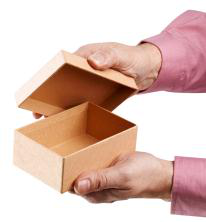
Show reference sentence / 查看参考答案
Other correct sentences are possible. Check word order, required words and meaning. This is self-review, not an automatic writing grade.
Mandarin Zone study notes · 本站学习解析
Reference sentence to analyse / 分析参考句
盒子里什么也没有。How the sentence works / 句子怎么组织
The picture shows an open, empty box. 盒子里 gives the location, and 什么也没有 says nothing is inside.
图片显示打开的空盒子。参考句用“盒子里”说明位置,“什么也没有”表示里面是空的。
What to watch for / 自查易错处
什么 is not a question here; 什么也没有 means nothing at all. Other complete, picture-fitting sentences using 盒子 can also be valid.
不要把单独的“什么”理解成疑问;与“也没有”组合后表示全面否定。其他包含“盒子”、与图相符的完整句也可自查。
Try this next time / 下次怎么判断
Check the required word, sentence completeness and whether the description fits what is visible.
自查:用了“盒子”吗?是完整句吗?有没有写入图中看不到的内容?

Show reference sentence / 查看参考答案
Other correct sentences are possible. Check word order, required words and meaning. This is self-review, not an automatic writing grade.
Mandarin Zone study notes · 本站学习解析
Reference sentence to analyse / 分析参考句
他今天穿得十分正式。How the sentence works / 句子怎么组织
The person is wearing a suit. 穿得 + degree word + 正式 describes the style of dress.
图片中的人穿着西装。参考句用“穿得+程度词+正式”评价穿着的风格。
What to watch for / 自查易错处
今天 is context supplied by the model, not a date established by the image. 正式 here means formal, not 正是.
“今天”是参考句设定的情境,图片本身不能证明日期;不必照抄它。“正式”在这里不是“正是”。
Try this next time / 下次怎么判断
Use a natural sentence such as 他穿得很正式 to check the complement after 得.
用“他穿得很正式”等自然完整的句子检查“得”后评价的结构。

Show reference sentence / 查看参考答案
Other correct sentences are possible. Check word order, required words and meaning. This is self-review, not an automatic writing grade.
Mandarin Zone study notes · 本站学习解析
Reference sentence to analyse / 分析参考句
西红柿是水果吗?How the sentence works / 句子怎么组织
The picture shows tomatoes; the reference uses 是……吗 to ask a question. A writing response can be a question.
图片显示西红柿,参考句用“是……吗”提出问题。造句可以是问句,不必一定是陈述句。
What to watch for / 自查易错处
The model asks about classification; it does not establish it or require you to discuss it. 碗里有几个西红柿 is another picture-based approach.
参考句提出一个问题,没有证明西红柿的分类;也不要求你讨论分类。“碗里有几个西红柿”是另一种与图相符的表达。
Try this next time / 下次怎么判断
Check the required word and complete sentence structure; you need not copy the model's topic.
重点检查“西红柿”的使用和完整句式,不必套用参考句的话题。

Show reference sentence / 查看参考答案
Other correct sentences are possible. Check word order, required words and meaning. This is self-review, not an automatic writing grade.
Mandarin Zone study notes · 本站学习解析
Reference sentence to analyse / 分析参考句
我真后悔告诉他这件事。How the sentence works / 句子怎么组织
后悔 can be followed by the action regretted. The model supplies a possible situation, not a history established by the picture.
“后悔+做过的事”说明对某个行为感到懊悔。参考句给出了一个可能的情境,不是图片能证明的经历。
What to watch for / 自查易错处
The distressed pose does not establish what happened. 她看起来很后悔 expresses an interpretation of the picture.
图片表现人物苦恼的姿态,不能确定她是否告诉过别人某件事;“她看起来很后悔”可表达对图的判断。
Try this next time / 下次怎么判断
Use 后悔 for the emotion; if adding an event, keep the situation plausible and the sentence grammatical.
用“后悔”表达情绪;若补充具体事件,确认句子合理、语法完整。

Show reference sentence / 查看参考答案
Other correct sentences are possible. Check word order, required words and meaning. This is self-review, not an automatic writing grade.
Mandarin Zone study notes · 本站学习解析
Reference sentence to analyse / 分析参考句
把画挂在这儿不太好。How the sentence works / 句子怎么组织
The image shows people positioning a picture. The model evaluates the action 把画挂在这儿 as not ideal.
图片显示两个人在安排挂画的位置。参考句把“把画挂在这儿”作为被评价的做法,再说“不太好”。
What to watch for / 自查易错处
The image does not prove the position is bad; that is the model's opinion. 他们正在挂画 describes the visible action.
图片并不能证明这个位置“不好”,那是参考句加入的意见;“他们正在挂画”也能描述画面。
Try this next time / 下次怎么判断
Use 挂 for the action, and check 挂在 + location when specifying a position.
使用“挂”说明动作;写位置时检查“挂在+地点”。
About Test 13
Test 13 contains 100 questions: 10 listening, 35 listening, 10 reading, 10 reading, 20 reading, 15 writing. This is a complete set in the older exam format. You can take it interactively to save your answers, review listening and reading mistakes, and compare your writing with reference sentences. Writing is not automatically graded.
Reading passages in this test cover topics such as: “56. 请将下列句子正确排序:A 虽然不大 B 这个城市的空气却湿润了许多 C 昨天中午下了一小会儿雨…”, “57. 请将下列句子正确排序:A 手机的价格大大降低了 B 随着科学技术的发展 C 它也因此变得更流行、更普遍了…”, “58. 请将下列句子正确排序:A 如果你不主动一点儿 B 它也会逐渐远离你 C 那么就算机会走到了你面前…”. These reflect the HSK 4 syllabus requirement to handle real-world topics with a certain level of complexity.
Browse all 19 HSK 4 mock tests on the free HSK 4 practice test homepage, or study with our 1000-word HSK 4 vocabulary list, HSK 4 grammar guide, 100 essential HSK 4 sentence patterns, HSK 4 writing exercises, or compare difficulty levels with our HSK 4 vs HSK 3 and HSK 4 vs HSK 5 guides.
Before You Start Test 13 — HSK 4 Strategies / 应试技巧
Read the relevant strategy guide first to gain 15-30 score points on this mock exam:
Or jump to the complete HSK 4 strategy hub · 选词填空 mixed practice · 100 essential sentences · 完成句子 writing drill · HSK 4 measure words (量词) · 43 confusable pairs.